
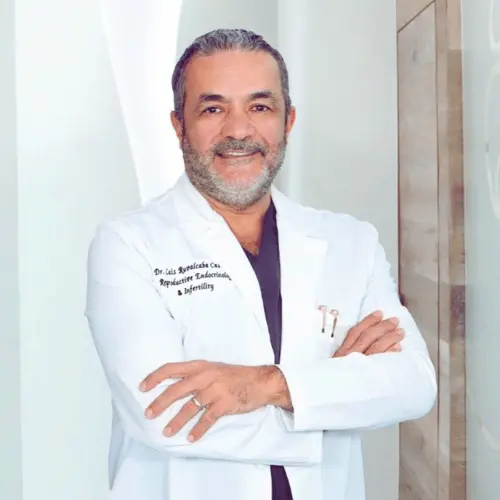
Austin Fertility & Reproductive Medicine is one of Austin's established reproductive endocrinology practices, with locations across the city to serve the rapidly growing Central Texas patient population. The James Casey Street location at 4303 James Casey St serves patients in South and Central Austin, while a second location on Beardsley Lane in the Westlake/Bee Cave area extends access to patients in Austin's western suburbs. Both locations share the same practice name, physician team, and website (austinfertility.com). Patients in Texas can explore additional options through the Texas fertility clinics directory.
Austin's booming population has created sustained demand for fertility services, and Austin Fertility & Reproductive Medicine has positioned itself as a community-focused practice offering personalized care within Austin's unique culture of patient empowerment and health consciousness.
Physicians and Clinical Team
Austin Fertility & Reproductive Medicine is staffed by board-certified reproductive endocrinologists who have completed subspecialty fellowship training in reproductive endocrinology and infertility (REI). The practice has been designed to provide a more intimate patient experience than large network-affiliated fertility centers — an approach that appeals to patients who value consistency of care and direct physician access throughout their treatment.
The clinical staff includes reproductive nurses who manage cycle monitoring coordination, embryologists responsible for the laboratory aspects of IVF, ultrasound technicians, and patient care coordinators who serve as the primary point of contact for scheduling and logistics. Given the multi-site structure, patients should confirm at intake which location they will primarily be seen at for monitoring and procedures.
Services and Treatments
Austin Fertility & Reproductive Medicine provides a comprehensive range of fertility services:
- Initial consultation and fertility evaluation for individuals and couples
- Ovarian reserve assessment (AMH, antral follicle count, FSH)
- Semen analysis and male fertility evaluation
- Ovulation induction (oral and injectable)
- Intrauterine insemination (IUI) with or without ovarian stimulation
- In vitro fertilization (IVF)
- Intracytoplasmic sperm injection (ICSI)
- Preimplantation genetic testing for aneuploidies (PGT-A) and monogenic disorders (PGT-M)
- Embryo cryopreservation and frozen embryo transfer (FET)
- Egg and embryo freezing for fertility preservation
- Donor egg recipient cycles
- Recurrent pregnancy loss evaluation and management
- Uterine and tubal factor evaluation
Austin's diverse and tech-forward patient population means the practice sees a high proportion of patients pursuing elective egg freezing alongside those seeking treatment for infertility diagnoses.
Laboratory and Success Rates
The IVF laboratory is the heart of any fertility center's technical capability. Austin Fertility & Reproductive Medicine's laboratory supports all stimulation, retrieval, fertilization, culture, and cryopreservation steps in-house. The quality of embryo culture — including incubator environment, culture media selection, and the skill and experience of the embryology team — significantly influences blastocyst development rates and ultimately live birth outcomes.
Patients should review the most current cycle-level data published by the CDC's ART Surveillance program and the SART Clinic Summary Report.
Texas is a large fertility market, and published outcomes data allows patients to compare Austin Fertility & Reproductive Medicine's performance against both Texas and national benchmarks. When reviewing data, note the clinic's patient age distribution and proportion of donor egg cycles, which affect aggregate success statistics.
Patient Experience
Austin Fertility & Reproductive Medicine's two locations reflect the city's geographic expansion. The James Casey Street location is convenient for patients in South Austin and the 78745/78704 zip codes, while the Beardsley Lane (Westlake) location serves patients in the upscale western corridor including Bee Cave, Lakeway, and West Lake Hills.
Austin's culture of wellness, transparency, and community-connectedness is reflected in the practice's approach. Patients frequently note the importance of finding a clinic where they feel heard and supported — particularly important given that fertility treatment can involve multiple cycles, unexpected setbacks, and significant emotional investment.
Ask about wait times for new patient consultations, the process for scheduling monitoring appointments during an IVF cycle, and how after-hours or weekend questions are handled — these logistical details significantly affect the day-to-day experience of going through treatment.
Considering At-Home Insemination?
Not every fertility journey begins in a clinic. At-home intracervical insemination (ICI) is a lower-cost, private option that suits patients with no known fertility diagnosis — including single parents by choice, same-sex couples, and people who want to try a few cycles before committing to clinical treatment.
At-home insemination kits like those from MakeAMom come with step-by-step instructions designed for donor or partner sperm. Kits are a one-time purchase that can be reused until conception succeeds, require no clinic visit, and arrive in plain, discreet packaging. Many patients use them as a first step while working toward a fertility consultation — or alongside ovulation tracking while they wait for an appointment slot.
If you have a known fertility diagnosis, have been trying for 12 months without success (six months if you're over 35), or your physician has already recommended IUI or IVF, a board-certified reproductive endocrinologist is the right next step.
Insurance and Financing
Texas does not have a comprehensive state infertility insurance mandate covering IVF for private employers. Texas state employees have access to some fertility benefits through the Employees Retirement System (ERS), but private-sector employees depend entirely on their employer's voluntary benefit decisions.
Given the lack of a mandate, Austin Fertility & Reproductive Medicine serves a substantial self-pay and employer-benefit population. Many Austin-based technology companies (a large segment of the city's employer base) offer generous voluntary fertility benefits, so patients in the tech sector should check their HR benefits portal before assuming self-pay.
For patients without coverage, the practice offers financial consultation to discuss package pricing, multi-cycle discounts, and third-party financing through healthcare lending programs. Medication costs, which run $3,000–$6,000 per IVF stimulation cycle, are separate from clinic fees and should be factored into total treatment planning.
Frequently Asked Questions
Does Austin Fertility & Reproductive Medicine have two locations — and are they the same practice? Yes. The James Casey Street location (South Austin, 78745) and the Beardsley Lane location (Westlake/Bee Cave area, 78746) are both part of Austin Fertility & Reproductive Medicine and share the same physician team and website (austinfertility.com). Patients typically establish care at one location but may have monitoring or procedures at either site depending on scheduling. Confirm your primary care location and which site egg retrievals are performed at during your initial consultation.
Does Texas require insurance companies to cover IVF? No. Texas does not mandate that private health insurance plans cover IVF. Coverage depends entirely on your employer's benefits package. Many Austin technology employers voluntarily cover fertility treatment — check your Summary Plan Description or consult HR. Texas state employees may have some fertility coverage through the ERS benefits program.
What is the difference between IUI and IVF, and which should I start with? IUI (intrauterine insemination) is a procedure where washed sperm is placed directly into the uterus around the time of ovulation — typically less expensive than IVF but with lower per-cycle success rates. IVF involves retrieving eggs, fertilizing them in the lab, and transferring resulting embryos. Your physician will recommend the appropriate starting treatment based on your age, diagnosis, ovarian reserve, and partner's semen analysis. Most physicians recommend 2–3 IUI cycles for appropriate candidates before moving to IVF.
Can I freeze my eggs at Austin Fertility & Reproductive Medicine for future use? Yes. Elective egg freezing (oocyte cryopreservation) is available for patients who want to preserve fertility before age-related decline or before a life circumstance that would delay family building. The process involves the same ovarian stimulation and egg retrieval as IVF, but eggs are frozen rather than fertilized and transferred immediately. Success when using frozen eggs depends on the age at which they were frozen and the number stored.