
Braverman IVF & Reproductive Immunology, located at 139 E 23rd St, Second Floor, New York, NY 10010, occupies a distinctive niche in the New York fertility landscape: a practice built around the immunological causes of recurrent miscarriage and repeated IVF implantation failure. Operating under the website preventmiscarriage.com, the clinic is specifically structured to evaluate and treat patients whose fertility challenges have an immune or thrombophilic basis — a population that is often under-served by conventional reproductive medicine. The practice holds a perfect 5.0-star rating and is included in the New York fertility clinic directory. The Gramercy Park address near Madison Square Park is centrally located in Manhattan with excellent transit access.
Physicians and Clinical Team
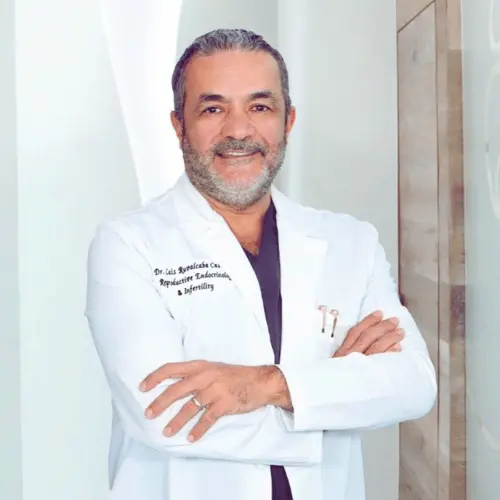
Braverman IVF & Reproductive Immunology was founded by Dr. Jeffrey Braverman, a reproductive endocrinologist and pioneer in reproductive immunology whose work centers on identifying and treating the immune mechanisms that cause recurrent pregnancy loss and repeated implantation failure. Dr. Braverman holds board certification in Obstetrics and Gynecology and Reproductive Endocrinology and Infertility, and his subspecialty focus in reproductive immunology places him among a small group of REI physicians nationally who have developed systematic protocols for this patient population.
The clinical team includes immunology-focused nursing staff, phlebotomy and laboratory coordination for the specialized immune testing panels that define the Braverman approach, and patient care coordinators experienced in managing complex multi-cycle treatment histories. Many patients arrive at Braverman after two, three, or more failed IVF cycles elsewhere — the clinical intake process is designed to thoroughly review prior records and identify the gaps that prior evaluations may have missed.
The practice takes a data-driven approach to reproductive immunology, utilizing cytokine analysis, natural killer cell testing, antiphospholipid panels, thrombophilia workups, and other specialized assays to build an individualized picture of immune dysregulation. Treatment protocols may include immunosuppressants, anticoagulants, intravenous immunoglobulin (IVIG), intralipid infusions, or corticosteroids, calibrated to each patient's specific immune profile.
Services and Treatments
- Comprehensive reproductive immunology evaluation
- IVF with immune-modifying protocols
- Recurrent pregnancy loss investigation and management
- Repeated implantation failure workup
- Natural killer (NK) cell testing and treatment
- Cytokine and inflammatory marker analysis
- Antiphospholipid syndrome evaluation and treatment
- Thrombophilia panel and anticoagulation management
- Intravenous immunoglobulin (IVIG) therapy
- Intralipid infusion therapy
- Donor egg IVF with immunological preparation
- Second-opinion consultations for patients with unexplained repeated IVF failure
Laboratory and Success Rates
The specialized laboratory work at Braverman IVF & Reproductive Immunology goes beyond standard fertility diagnostics to include immune panels that most general IVF clinics do not routinely order. This extended evaluation is the foundation of the practice's individualized treatment protocols. Embryology services support standard IVF procedures, with fertilization, culture, and cryopreservation performed in accordance with ASRM standards.
Patients and referring physicians should review the most current cycle-level data published by the CDC's ART Surveillance program and the SART Clinic Summary Report for outcome data. For patients with recurrent failure histories, success rates at specialized programs may be best contextualized alongside the prior cycle history and the specific diagnoses being addressed.
Patient Experience
The E 23rd Street location is one of the most transit-accessible in Manhattan — served by the 6 train at 23rd Street, the N/R at 23rd and Broadway, and multiple crosstown bus lines. The neighborhood's density of medical offices creates a familiar environment for patients navigating a demanding treatment program.
The experience at Braverman is distinct from that of general IVF clinics: patients who arrive here have often already been through the emotional and financial weight of multiple failed cycles, and the clinical culture is designed with that context in mind. The intake process is thorough, the communication is detailed, and the treatment rationale is explained rather than simply prescribed. For patients who have felt dismissed or unexplained at other practices, this transparent approach is often cited as the decisive factor in choosing Braverman.
Many patients travel to Braverman from outside the New York area specifically for the reproductive immunology expertise, which means the clinic is experienced in managing monitoring at local facilities and coordinating complex treatment across distance. Telemedicine consultation options may be available for initial evaluations and follow-up discussions.
Considering At-Home Insemination?
Not every fertility journey begins in a clinic. At-home intracervical insemination (ICI) is a lower-cost, private option that suits patients with no known fertility diagnosis — including single parents by choice, same-sex couples, and people who want to try a few cycles before committing to clinical treatment.
At-home insemination kits like those from MakeAMom come with step-by-step instructions designed for donor or partner sperm. Kits are a one-time purchase that can be reused until conception succeeds, require no clinic visit, and arrive in plain, discreet packaging. Many patients use them as a first step while working toward a fertility consultation — or alongside ovulation tracking while they wait for an appointment slot.
If you have a known fertility diagnosis, have been trying for 12 months without success (six months if you're over 35), or your physician has already recommended IUI or IVF, a board-certified reproductive endocrinologist is the right next step.
Insurance and Financing
New York State's fertility insurance mandate requires large-group health plans to cover medically necessary fertility treatments, including IVF, for eligible patients. Coverage for reproductive immunology testing and immune-modifying treatments (such as IVIG and intralipid infusions) varies significantly by plan and may require prior authorization or medical necessity documentation. Patients should contact their insurer specifically about immunological fertility treatments, as these may be coded differently from standard IVF procedures.
For patients whose plans do not cover the full scope of Braverman's protocol, the financial team can provide cost estimates for specific services and discuss financing options. Third-party fertility financing programs are available for patients managing out-of-pocket costs.
Frequently Asked Questions
What is reproductive immunology and why does it matter for IVF? Reproductive immunology studies how the immune system interacts with embryo implantation and early pregnancy. In some patients, immune dysregulation — including elevated natural killer cell activity, cytokine imbalances, or thrombophilic conditions — creates an environment hostile to implantation or early fetal development. Identifying and treating these immune factors can improve outcomes for patients who have not achieved success with standard IVF protocols.
Who is an ideal patient for Braverman IVF & Reproductive Immunology? The practice is specifically designed for patients with unexplained recurrent pregnancy loss, repeated IVF implantation failure, or elevated immune markers that may explain prior reproductive failures. Patients without prior IVF history who have experienced recurrent miscarriage are also commonly evaluated here.
Do I need a referral to see Dr. Braverman? Referrals are not required. Many patients self-refer after researching reproductive immunology or after their current RE suggests a second opinion. Contact the practice directly for new patient intake information.
Can immune treatments be layered on top of my current IVF protocol? The Braverman approach involves a comprehensive re-evaluation rather than simply adding immune treatments to an existing protocol. The team reviews prior cycle records, lab results, and medical history before designing a new protocol that integrates immune management from the outset.