
California IVF Fertility Center's Sacramento location, at 2590 Venture Oaks Way in the northern Sacramento business corridor, is one of the region's dedicated fertility clinics serving patients across the greater Sacramento area, the Central Valley, and Northern California communities that lack local reproductive endocrinology resources. Sacramento sits at a geographic crossroads for California's inland population, making this clinic accessible to patients from Stockton, Modesto, Davis, Woodland, Roseville, and the Sierra Nevada foothills. Patients exploring care in the state can view a broader list of providers in the California fertility clinics directory.
California IVF Fertility Center operates across multiple Northern California locations, and the Sacramento site is a primary hub for this regional network's patient population. The clinic's model emphasizes accessible, patient-centered care with clear communication about treatment costs — a priority for the large proportion of California patients who self-pay for fertility treatment given the state's limited insurance mandate coverage.
Physicians and Clinical Team
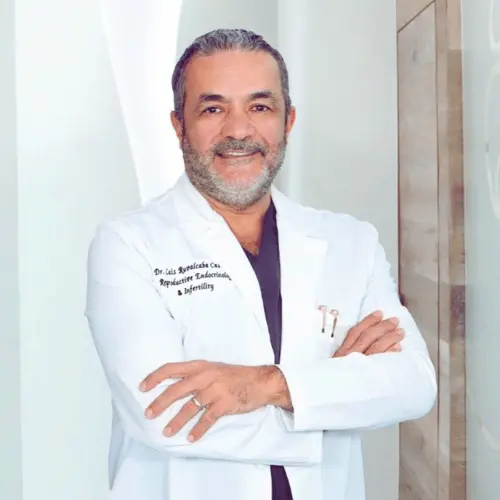
California IVF Fertility Center is staffed by fellowship-trained reproductive endocrinologists who specialize in infertility diagnosis and treatment. The practice has been designed to serve patients across Northern California with a combination of clinical expertise and operational efficiency — including online patient portals, telemedicine consultations for initial evaluations, and transparent fee schedules published directly on the clinic's website.
The team includes reproductive endocrinologists, IVF nurses, embryologists, ultrasonographers, and financial counselors with specific experience in the self-pay and limited-insurance patient population that makes up much of the Northern California fertility market. The practice emphasizes honest communication about prognosis and realistic expectations for different treatment options.
Services and Treatments
California IVF Fertility Center offers a comprehensive range of fertility services:
- Initial fertility consultation and diagnostic evaluation
- Ovarian reserve testing (AMH, antral follicle count, FSH/estradiol)
- Male fertility evaluation and semen analysis
- Ovulation induction with clomiphene or letrozole
- Injectable gonadotropin cycles with ultrasound monitoring
- Intrauterine insemination (IUI)
- Standard IVF with fresh and frozen embryo transfer
- Minimal stimulation IVF (mini-IVF) protocols
- Natural cycle IVF
- Intracytoplasmic sperm injection (ICSI)
- Preimplantation genetic testing (PGT-A)
- Embryo, egg, and sperm cryopreservation
- Donor egg recipient cycles
- Gestational carrier coordination
- Fertility preservation for medical and elective indications
- Recurrent pregnancy loss evaluation
The availability of mini-IVF and natural cycle protocols is notable — these lower-medication approaches appeal to patients who want to minimize medication side effects or cost, and to those with certain medical conditions that limit high-dose gonadotropin use.
Laboratory and Success Rates
The IVF laboratory at California IVF Fertility Center is purpose-built for high-complexity embryology. Facilities include HEPA-filtered air handling, continuous culture incubators, vitrification cryopreservation systems, and time-lapse imaging for embryo selection. The laboratory team's performance across culture and cryopreservation steps directly influences fertilization, blastocyst development, and ultimately live birth outcomes.
Patients should review the most current cycle-level data published by the CDC's ART Surveillance program and the SART Clinic Summary Report.
California IVF Fertility Center has been recognized for publishing transparent outcomes data, which is particularly important given the large self-pay patient population who are making cost-benefit decisions without insurance coverage influencing their choice of clinic.
Patient Experience
The Venture Oaks Way location in northern Sacramento provides easy freeway access and ample parking — a practical consideration during a stimulation cycle when patients may be visiting the clinic every one to three days for monitoring. The practice has invested in telemedicine capabilities to reduce the need for in-person visits during consultations and cycle planning, which is particularly valuable for patients driving from distant parts of Northern California.
The clinic's emphasis on cost transparency is frequently cited by patients as a differentiator — knowing what each cycle and procedure will cost before treatment begins reduces financial anxiety during an already stressful process. Ask for an itemized treatment plan estimate during your initial consultation.
Staff at this location are experienced in navigating the large self-pay market, which means they are accustomed to working with patients on budgeting, multi-cycle planning, and financing options without the administrative layer of insurance authorization that dominates care at clinics in mandate states.
Considering At-Home Insemination?
Not every fertility journey begins in a clinic. At-home intracervical insemination (ICI) is a lower-cost, private option that suits patients with no known fertility diagnosis — including single parents by choice, same-sex couples, and people who want to try a few cycles before committing to clinical treatment.
At-home insemination kits like those from MakeAMom come with step-by-step instructions designed for donor or partner sperm. Kits are a one-time purchase that can be reused until conception succeeds, require no clinic visit, and arrive in plain, discreet packaging. Many patients use them as a first step while working toward a fertility consultation — or alongside ovulation tracking while they wait for an appointment slot.
If you have a known fertility diagnosis, have been trying for 12 months without success (six months if you're over 35), or your physician has already recommended IUI or IVF, a board-certified reproductive endocrinologist is the right next step.
Insurance and Financing
California does not mandate IVF coverage for private employers, meaning that most California residents pay for IVF out of pocket unless their employer voluntarily includes fertility benefits. Diagnostic services (bloodwork, imaging) are often covered under general medical benefits even when IVF itself is not.
California IVF Fertility Center's approach to pricing transparency reflects this market reality. The practice typically offers:
- Published self-pay pricing for IVF cycles (base fee plus medication estimates)
- Multi-cycle package discounts for patients planning more than one retrieval
- Mini-IVF and natural cycle options at lower price points than conventional stimulation
- Third-party financing through healthcare lending programs
For patients with employer-sponsored fertility benefits (increasingly common at large California tech, healthcare, and education employers), the clinic's financial coordinators can assist with insurance verification and prior authorization.
Frequently Asked Questions
What is the difference between standard IVF, mini-IVF, and natural cycle IVF? Standard IVF uses high doses of injectable gonadotropins to develop multiple follicles, maximizing the number of eggs retrieved and giving more embryos to select from. Mini-IVF uses lower medication doses to develop fewer (but potentially higher-quality) follicles — this reduces medication cost and side effects but typically yields fewer eggs. Natural cycle IVF works with the single egg that would develop naturally in a given cycle, with minimal to no stimulation. The right protocol depends on your ovarian reserve, age, diagnosis, and goals — your physician will recommend the most appropriate approach.
Does California IVF Fertility Center offer egg donation cycles? Yes. The clinic coordinates recipient egg donation cycles using frozen donor eggs, which are increasingly accessible through donor egg banks and offer faster cycle timelines than fresh egg donation. Ask about the specific donor sources and frozen egg bank partnerships used at this location.
What is PGT-A, and should I have it done? Preimplantation genetic testing for aneuploidies (PGT-A) involves biopsying embryos at the blastocyst stage to screen for chromosomal abnormalities before transfer. It is particularly beneficial for patients over 37, those with recurrent pregnancy loss, or those who have had multiple failed IVF transfers. It adds cost and requires freezing all embryos (no fresh transfer), but can significantly improve the odds of a successful first transfer for appropriate candidates.
How do I access the clinic if I live several hours away in Northern California? California IVF Fertility Center's telemedicine options allow initial consultations and cycle planning to occur remotely. During a stimulation cycle, monitoring appointments (typically every 1–3 days) must occur in person, but some patients with established practices in their home communities can arrange local monitoring with results forwarded to the clinic for protocol adjustments. Ask about the clinic's remote monitoring protocol during your initial consultation.