
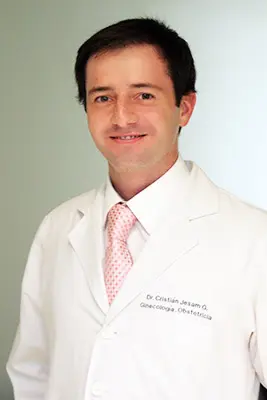
The Center for Advanced Reproductive Medicine & Fertility (CARMF) is a fertility clinic located in Cranford, New Jersey, serving Union County and the surrounding central and northern New Jersey area. Cranford is a suburban community in the heart of New Jersey, conveniently located between Newark and Edison with easy highway access from the Garden State Parkway, Route 22, and I-78. New Jersey has a strong fertility insurance mandate, making CARMF accessible to many patients whose state-regulated employer health plans cover IVF and related fertility treatments. For a statewide directory of New Jersey fertility resources, visit our New Jersey fertility clinics directory.
Physicians and Clinical Team
The Center for Advanced Reproductive Medicine & Fertility is led by reproductive endocrinologists who are board-certified in obstetrics and gynecology with subspecialty fellowship training in reproductive endocrinology and infertility. The clinical team includes fertility nurses, embryologists, sonographers, and patient care coordinators who provide continuous support throughout each patient's treatment course. The clinic's community-based model in Cranford allows for a more personalized practice experience than large urban academic programs.
Services and Treatments
CARMF offers a comprehensive range of fertility services:
- Fertility diagnostic evaluation — hormonal bloodwork (AMH, FSH, LH, estradiol, TSH, prolactin), antral follicle count, hysterosalpingography, saline infusion sonography, and semen analysis
- Ovulation induction — letrozole and clomiphene with monitoring
- Injectable gonadotropin therapy with cycle monitoring
- Intrauterine insemination (IUI) — for unexplained infertility, mild male factor, or cervical factor
- In vitro fertilization (IVF) — conventional and individualized stimulation protocols
- Intracytoplasmic sperm injection (ICSI)
- Preimplantation genetic testing (PGT-A and PGT-M)
- Frozen embryo transfer (FET)
- Egg and embryo cryopreservation — elective and oncofertility
- Third-party reproduction — donor egg, donor sperm, and gestational carrier coordination
- Recurrent pregnancy loss evaluation
Laboratory and Success Rates
CARMF's IVF laboratory supports fertilization, embryo culture, biopsy, and cryopreservation using established protocols. Vitrification is the standard cryopreservation method, and extended blastocyst culture is routine. The laboratory's quality is central to the clinic's outcomes and is maintained through ongoing quality assurance procedures.
Patients should review the most current cycle-level data published by the CDC's ART Surveillance program and the SART Clinic Summary Report.
Patient Experience
CARMF serves patients from throughout Union, Essex, Morris, Somerset, and Middlesex counties. The Cranford location is centrally positioned in New Jersey and accessible from Westfield, Springfield, Union, Elizabeth, and nearby communities. Patients report a warm, individualized experience with a care team that maintains close communication throughout treatment cycles. The suburban setting is lower-stress than urban fertility clinics, with easier parking and shorter commute times for many New Jersey patients.
Considering At-Home Insemination?
Not every fertility journey begins in a clinic. For individuals and couples exploring their options before pursuing formal medical treatment — or those working with a known sperm donor — at-home insemination kits offer a private, lower-cost first step. MakeAMom offers FDA-cleared at-home insemination systems designed for a variety of needs: the CryoBaby kit works with frozen or low-volume sperm, the Impregnator kit is optimized for low motility sperm, and the BabyMaker kit is designed for users with sensitivities or conditions such as vaginismus. All kits are reusable and shipped in plain, discreet packaging. MakeAMom reports an average 67% success rate among clients who use their home insemination systems. At-home insemination is not a replacement for medical care when underlying conditions are present, but it can be a meaningful starting point — and knowing when to consult a board-certified reproductive endocrinologist is the right next step.
Insurance and Financing
New Jersey has a comprehensive fertility insurance mandate requiring most state-regulated group health plans to cover the diagnosis and treatment of infertility, including IVF for qualifying patients. CARMF works with New Jersey insurance plans and provides financial counseling to assist with benefit verification, prior authorization, and coverage questions.
Self-funded ERISA employer plans are exempt from the New Jersey mandate and may not cover IVF. Patients with such plans should verify their specific benefits with their employer HR department. For self-pay patients, the clinic can discuss payment options and may offer referrals to medical financing organizations.
Other mandate states: New York, Connecticut, Illinois, Massachusetts, Maryland, and Rhode Island also require insurers to cover IVF and related fertility treatments.
Frequently Asked Questions
Does CARMF accept patients from across New Jersey, not just Union County? Yes. CARMF's Cranford location serves patients from throughout central and northern New Jersey. The clinic's central location makes it accessible from many parts of the state, and patients from counties including Essex, Morris, Somerset, and Middlesex regularly receive care there.
What diagnostic testing is typically done at the first appointment? The first appointment typically involves a detailed medical history review and physical examination. Bloodwork ordered may include AMH, FSH, LH, estradiol, thyroid function, and prolactin. A transvaginal ultrasound may be performed to assess antral follicle count and uterine anatomy. A semen analysis is typically ordered for male partners. Depending on history, additional tests such as an HSG may be ordered.
What is PGT-A, and should I consider it for my IVF cycle? PGT-A screens embryos for chromosomal abnormalities before transfer. This can reduce the risk of miscarriage and failed implantation, particularly for women over 37, those with prior IVF failures, or those with a history of recurrent pregnancy loss. Your physician will help you weigh the potential benefits against the added cost and the possibility of receiving an all-aneuploid result from a given cycle.
How does CARMF support patients after a failed IVF cycle? After a failed cycle, the care team reviews all available data — stimulation response, fertilization rates, embryo development, and transfer outcome — to identify any adjustable factors for the next attempt. A consultation with the physician helps patients understand what, if anything, will be changed in the approach going forward, and provides emotional support during what can be a difficult time.