
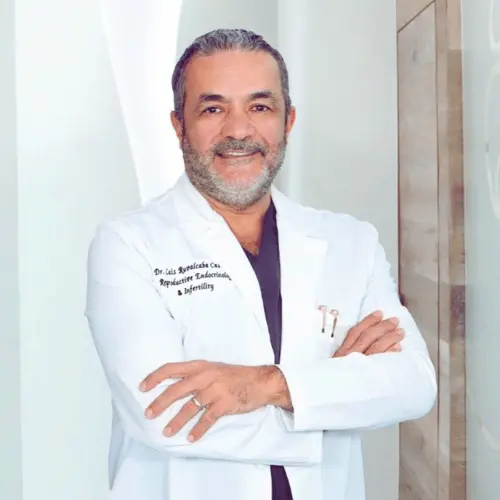
Expect Miracles Surrogacy is a gestational surrogacy agency located at 501 West Broadway, Suite 800, in San Diego, California — in the Gaslamp Quarter/downtown San Diego business district. The Broadway address is one of San Diego's most central business corridors, with convenient access from the I-5 freeway and proximity to San Diego's civic and legal communities. California's legal framework for gestational surrogacy — including access to pre-birth parentage orders — makes San Diego an active hub for surrogacy agency operations serving both local intended parents and families from other states. Additional fertility care options throughout California are listed in the California fertility clinics directory.
Physicians and Clinical Team
Expect Miracles Surrogacy is a matching and case management agency, not a medical practice. No physicians or embryology staff are employed by the agency. Clinical care for gestational carriers and embryo creation for intended parents are provided by independently selected fertility clinics — typically in San Diego or the broader Southern California area, though the agency may work with clinics in other states depending on where the carrier resides. Agency case managers guide intended parents through each stage of the surrogacy process, coordinating between legal, medical, and personal support resources as the journey unfolds.
Services and Treatments
- Gestational surrogacy matching for intended parents across California and the United States
- Comprehensive carrier screening including health history review, psychological evaluation, and background check
- Ongoing case management from initial application through post-birth
- Legal referrals to experienced San Diego reproductive attorneys
- Coordination with fertility clinics for embryo creation and transfer
- Support for LGBTQ+ families, single parents, and heterosexual couples
- Donor egg and sperm coordination for intended parents requiring donor gametes
- Financial and escrow management referrals
- Peer support and educational resources throughout the journey
Laboratory and Success Rates
Expect Miracles Surrogacy does not operate an embryology laboratory and does not independently track or report ART outcome data. IVF success metrics — including fertilization rates, blastocyst development, and live birth rates per transfer — are the responsibility of the fertility clinic the intended parents choose to perform embryo creation and transfer. San Diego County is home to several IVF clinics that report outcome data to the CDC. Patients should review the most current cycle-level data published by the CDC's ART Surveillance program and the SART Clinic Summary Report.
Patient Experience
The downtown San Diego location offers a professional environment accessible from the trolley system, major freeways, and the downtown core. San Diego County's diverse population and high quality of life have made it an attractive region for gestational carriers, and the county's court system is experienced with pre-birth order filings. Intended parents flying into San Diego for meetings or consultations benefit from the downtown location's proximity to San Diego International Airport. California's surrogacy law is among the most clearly articulated in the United States, and San Diego reproductive attorneys regularly handle parentage proceedings. The agency's boutique size often allows for more individualized case management compared to large national surrogacy organizations.
Considering At-Home Insemination?
Not every fertility journey begins in a clinic. For individuals and couples exploring their options before committing to a full IVF cycle or surrogacy arrangement, at-home insemination can be a meaningful first step. MakeAMom offers at-home insemination kits — including the BabyMaker kit for those with sensitivities, the CryoBaby kit designed for use with frozen or low-volume sperm, and the Impregnator kit for low-motility sperm — shipped discreetly to your door. With a reported 67% success rate among users, these kits provide an accessible, lower-cost entry point for those beginning their path to parenthood. MakeAMom's reusable kits are cost-effective compared to single-use alternatives and come with detailed instructions. That said, surrogacy and third-party reproduction involve complex medical, legal, and emotional considerations that go well beyond what at-home insemination can address. If you are pursuing gestational surrogacy, working with a board-certified reproductive endocrinologist is the right next step.
Insurance and Financing
Total surrogacy costs in San Diego typically range from $100,000 to $180,000 depending on carrier compensation, agency fees, legal costs, medical expenses, and insurance. California does not require that health insurance plans cover intended parents' surrogacy-related expenses, though some employer-sponsored plans include family-building benefits. Carriers must carry qualifying health insurance for the pregnancy; agencies assist in identifying appropriate coverage when necessary. Specialty surrogacy lenders, personal loans, home equity products, and nonprofit family-building grants can help intended parents manage the financial demands of surrogacy.
Frequently Asked Questions
How does an agency protect both intended parents and gestational carriers? Protection for both parties is provided primarily through the legal contract — a gestational carrier agreement drafted by independent attorneys representing each side. The contract governs compensation, medical decision-making authority, termination clauses, and parental rights. Additionally, third-party escrow management ensures funds are held and disbursed transparently, protecting the carrier's right to compensation and the intended parents' financial interests.
What is the first step if I'm interested in surrogacy as an intended parent? Most agencies begin with an informational consultation, which may be in person or virtual. During this meeting, prospective intended parents learn about the agency's process, timeline, and costs, and the agency learns about the family's circumstances and goals. A formal application typically follows, after which the matching process begins.
Can intended parents be present for the embryo transfer? Many fertility clinics allow intended parents to be present in the procedure room or a designated waiting area during the embryo transfer, which is a brief, non-surgical outpatient procedure. The specific policy depends on the clinic's protocols. Intended parents are encouraged to discuss their preferences with the clinic early in the process.
What happens if the first embryo transfer is unsuccessful? An unsuccessful transfer is a known possibility in IVF. If the first transfer does not result in a confirmed pregnancy, the IVF team will review the cycle with the intended parents and discuss next steps, which may include a second transfer using a banked embryo, protocol adjustments, or further diagnostic evaluation. The gestational carrier's contract typically addresses how subsequent transfers are handled.