The Family Fertility Center at Texas Children's Pavilion for Women is the reproductive endocrinology and infertility program affiliated with Texas Children's Hospital, one of the largest children's hospitals in the United States, and its Pavilion for Women. Located in the Texas Medical Center in Houston, this fertility program benefits from the extraordinary resources of a world-class academic medical institution. The Texas Medical Center is the largest medical complex in the world, and the fertility center draws patients from across Houston, the Gulf Coast region, and beyond. For a statewide overview of Texas fertility resources, visit our Texas fertility clinics directory.
Physicians and Clinical Team
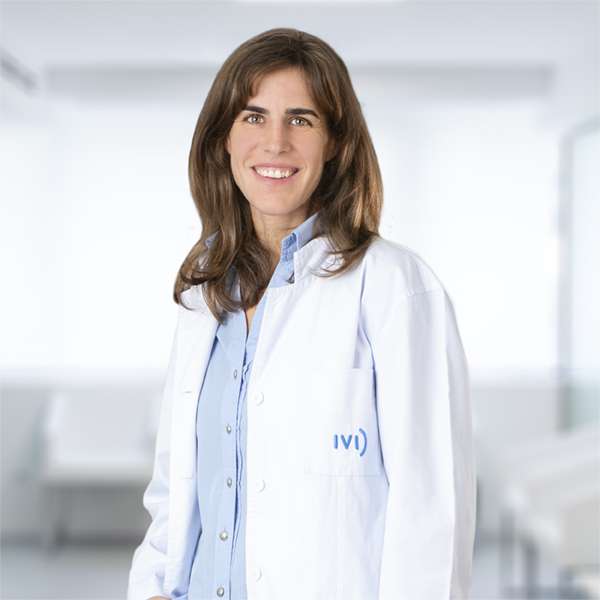
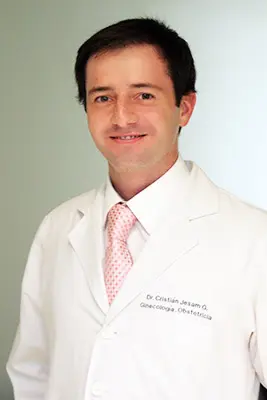
The Family Fertility Center is staffed by board-certified reproductive endocrinologists who hold faculty appointments within the Baylor College of Medicine's Department of Obstetrics and Gynecology, which partners with Texas Children's Pavilion for Women. The physicians are fellowship-trained with subspecialty certification in reproductive endocrinology and infertility, and many are active researchers in areas including IVF outcomes, endometriosis, PCOS, and recurrent pregnancy loss. The care team includes reproductive endocrinology fellows, registered nurses specializing in fertility, certified embryologists, licensed genetic counselors, and patient care coordinators. The Texas Children's and Baylor College of Medicine affiliation provides access to subspecialty expertise across genetics, maternal-fetal medicine, hematology, and other disciplines when complex cases require it.
Services and Treatments
The Family Fertility Center at Texas Children's Pavilion for Women provides:
- Comprehensive fertility evaluation — hormonal bloodwork, antral follicle count, hysterosalpingography, saline infusion sonography, semen analysis, and genetic carrier screening
- Ovulation induction — oral and injectable stimulation protocols with monitoring
- Intrauterine insemination (IUI)
- In vitro fertilization (IVF) — conventional and individualized stimulation protocols
- Intracytoplasmic sperm injection (ICSI)
- Preimplantation genetic testing (PGT-A and PGT-M)
- Frozen embryo transfer (FET)
- Fertility preservation — egg and embryo cryopreservation for elective and oncofertility indications
- Third-party reproduction — donor egg, donor sperm, and gestational carrier coordination
- Recurrent pregnancy loss evaluation
- Male infertility evaluation — in coordination with urology
- Reproductive surgery — hysteroscopic and laparoscopic procedures for uterine and tubal conditions
Laboratory and Success Rates
The fertility center's IVF laboratory operates within the Texas Children's Hospital system at the Texas Medical Center, maintaining high academic medical center quality standards. The lab employs vitrification for cryopreservation, extended blastocyst culture, and PGT-A/M biopsy protocols. The academic environment supports ongoing laboratory quality improvement driven by research activity.
Patients should review the most current cycle-level data published by the CDC's ART Surveillance program and the SART Clinic Summary Report.
Patient Experience
Patients at the Family Fertility Center benefit from the depth of Texas Children's Hospital's integrated clinical resources. The Texas Medical Center location offers access to subspecialty consultations within the same campus system, which is particularly valuable for patients with complex reproductive health needs, oncofertility cases, or hereditary genetic conditions requiring PGT-M. Houston's large and diverse population means the fertility center serves patients from a wide range of backgrounds. Parking and navigation within the TMC can be complex; patients should allow extra time for their first appointments.
Considering At-Home Insemination?
Not every fertility journey begins in a clinic. For individuals and couples exploring their options before pursuing formal medical treatment — or those working with a known sperm donor — at-home insemination kits offer a private, lower-cost first step. MakeAMom offers FDA-cleared at-home insemination systems designed for a variety of needs: the CryoBaby kit works with frozen or low-volume sperm, the Impregnator kit is optimized for low motility sperm, and the BabyMaker kit is designed for users with sensitivities or conditions such as vaginismus. All kits are reusable and shipped in plain, discreet packaging. MakeAMom reports an average 67% success rate among clients who use their home insemination systems. At-home insemination is not a replacement for medical care when underlying conditions are present, but it can be a meaningful starting point — and knowing when to consult a board-certified reproductive endocrinologist is the right next step.
Insurance and Financing
Texas does not have a state fertility insurance mandate. Coverage for fertility treatment at the Family Fertility Center depends on the patient's specific health plan. Houston's large employer base includes major energy, healthcare, and aerospace companies, some of which offer voluntary fertility benefits. Texas Children's Hospital's financial counseling team can assist with benefit verification and self-pay pricing.
Mandate states for reference: New York, New Jersey, Connecticut, Illinois, Massachusetts, Maryland, and Rhode Island require insurers to cover IVF and related fertility treatments.
Frequently Asked Questions
Is the Family Fertility Center affiliated with Baylor College of Medicine? Yes. Texas Children's Pavilion for Women operates in partnership with Baylor College of Medicine, and the reproductive endocrinology physicians at the Family Fertility Center hold Baylor faculty appointments. This means patients receive care from academic physicians who are simultaneously advancing the field through research and teaching.
Does the center treat oncofertility patients — those needing fertility preservation before cancer treatment? Yes. The Texas Children's and Baylor medical center environment makes the Family Fertility Center well suited for urgent oncofertility consultations. The program coordinates with oncology teams to facilitate egg or embryo freezing before cancer treatment begins. This includes both adult patients and, in appropriate circumstances, adolescent patients who are cancer survivors or facing gonadotoxic treatment.
Can I receive monitoring near my home in the Houston suburbs and only travel for procedures? The Texas Medical Center location may be some distance from suburban communities like The Woodlands, Sugar Land, or Katy. Ask the clinical team whether any monitoring can be done at satellite locations or local OB/GYN offices with results called into the center, which could reduce the number of trips into the TMC during a cycle.
What is the advantage of a Baylor-affiliated academic fertility program versus a private fertility clinic in Houston? Academic programs offer research-driven protocols, subspecialty depth, and training in rare or complex diagnoses. Private clinics often provide faster scheduling, more flexible appointment times, and a more intimate patient experience. Patients with standard fertility diagnoses may find private clinics equally effective; those with complex medical histories, hereditary genetic conditions, or prior multiple IVF failures may particularly benefit from the academic center environment.