
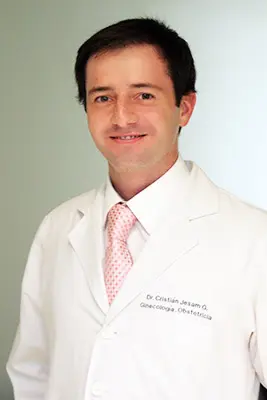
Hanabusa IVF is a fertility practice located at 4910 Directors Place, Suite 150, in San Diego, California — a professional office address in the Sorrento Valley biomedical and technology corridor, near the I-805 and Highway 56 interchange in northern San Diego. The clinic operates under the website hanabusaivf.com and offers comprehensive fertility care with an emphasis on individualized treatment. Hanabusa IVF serves patients from across San Diego County, including communities in La Jolla, Carmel Valley, Rancho Bernardo, Santee, El Cajon, and the North County. California does not have a state fertility insurance mandate, so patients should anticipate out-of-pocket costs for most fertility treatments. For a complete list of fertility clinics serving California, visit the California state directory.
Physicians and Clinical Team
Hanabusa IVF is led by a physician with board certification in reproductive endocrinology and infertility (REI) following fellowship training in the subspecialty. The practice's name reflects its physician's background, and the team's approach is characterized by attentive, individualized care — a hallmark of a focused fertility practice rather than a large high-volume clinic. Patients at Hanabusa IVF benefit from direct physician involvement throughout the treatment process, from initial consultation through stimulation monitoring, egg retrieval, and embryo transfer. The supporting clinical team includes experienced fertility nurses who coordinate cycle monitoring logistics, medication protocols, and result communication. The embryology staff manages laboratory procedures including fertilization, extended culture, genetic testing biopsy, and embryo freezing.
The Directors Place address in Sorrento Valley places the practice within easy reach of San Diego's biotech corridor, and the clinical team is accustomed to serving a well-informed patient population that often comes to appointments with detailed questions about protocols and outcomes.
Services and Treatments
Hanabusa IVF offers a full range of fertility services:
- New patient consultations and comprehensive fertility evaluation
- Ovarian reserve assessment (AMH, antral follicle count)
- Ovulation induction with monitoring
- Intrauterine insemination (IUI) with partner or donor sperm
- In vitro fertilization (IVF) using individualized stimulation protocols
- Intracytoplasmic sperm injection (ICSI)
- Frozen embryo transfer (FET) cycles
- Preimplantation genetic testing for aneuploidy (PGT-A)
- Egg freezing for elective fertility preservation
- Embryo cryopreservation and storage
- Donor egg coordination (fresh and frozen)
- Donor sperm coordination
- Gestational carrier medical management
- Recurrent pregnancy loss workup
- Endometriosis assessment
- Male infertility evaluation
Laboratory and Success Rates
The IVF laboratory at Hanabusa IVF supports the complete cycle of laboratory-based fertility care, from egg identification and fertilization through extended embryo culture, trophectoderm biopsy for genetic testing, and vitrification for embryo and oocyte storage. A stable, well-managed laboratory environment is one of the most important factors influencing IVF outcomes — culture media quality, incubator stability, embryologist skill, and strict quality control protocols all contribute to fertilization rates, blastocyst development rates, and ultimately, live birth outcomes. Patients should review the most current cycle-level data published by the CDC's ART Surveillance program and the SART Clinic Summary Report.
Patients are encouraged to ask about laboratory-specific metrics during their consultation — questions such as average fertilization rates, blastocyst development rates, and the proportion of retrievals that yield at least one euploid (chromosomally normal) embryo can help paint a more complete picture than published live birth rates alone.
Patient Experience
Sorrento Valley and Directors Place are known as professional hubs within San Diego's biotech ecosystem, easily accessible from the I-805 corridor and Highway 56. The office park setting provides ample parking and a lower-stress environment than higher-traffic clinic locations. For San Diego patients in the northern portion of the city — Carmel Valley, Rancho Bernardo, Poway, Mira Mesa — the Sorrento Valley address is a very convenient option. Patients from La Jolla, UTC, and Del Mar are also well-positioned relative to this location.
San Diego's climate and relative quality of life attract a highly educated, health-conscious population, and the fertility patient community reflects this: patients often arrive at consultations having done substantial research, and they benefit from physicians who can engage with that level of curiosity. The smaller practice scale at Hanabusa IVF means patients are more likely to develop a direct relationship with their physician throughout the treatment process.
Considering At-Home Insemination?
Not every fertility journey begins in a clinic. At-home intracervical insemination (ICI) is a lower-cost, private option that suits patients with no known fertility diagnosis — including single parents by choice, same-sex couples, and people who want to try a few cycles before committing to clinical treatment.
At-home insemination kits like those from MakeAMom come with step-by-step instructions designed for donor or partner sperm. Kits are a one-time purchase that can be reused until conception succeeds, require no clinic visit, and arrive in plain, discreet packaging. Many patients use them as a first step while working toward a fertility consultation — or alongside ovulation tracking while they wait for an appointment slot.
If you have a known fertility diagnosis, have been trying for 12 months without success (six months if you're over 35), or your physician has already recommended IUI or IVF, a board-certified reproductive endocrinologist is the right next step.
Insurance and Financing
California does not have a state fertility insurance mandate requiring health plans to cover IVF or other fertility treatments. The financial reality for most Hanabusa IVF patients is that treatment costs are paid primarily out of pocket or through employer-sponsored fertility benefits. The San Diego biotech and tech sectors include a number of employers who offer voluntary fertility benefits, and military families may have limited coverage through TRICARE.
For patients without employer fertility coverage, the total cost of an IVF cycle in San Diego — including stimulation medications — typically falls in the $15,000 to $25,000 range. The clinic's financial team can provide a detailed cost breakdown, and patients may wish to explore third-party medical financing options if budget is a constraint. Generic medication protocols and monitoring adjustments can sometimes reduce overall cycle costs without significantly compromising outcomes.
Frequently Asked Questions
What distinguishes Hanabusa IVF from larger San Diego fertility practices? Hanabusa IVF operates as a focused, physician-led practice rather than a high-volume clinic. Many patients choose smaller practices specifically because they prefer consistent access to their physician and a more personalized care dynamic. Patients who value knowing their doctor well and having direct communication during treatment often find this model preferable to larger group practice environments.
What is the Directors Place address accessible from? The clinic is located in Sorrento Valley, easily reached from I-805 (Sorrento Valley Road exit) and from Highway 56 (via Sorrento Valley Boulevard or Mira Mesa Boulevard connections). The area is familiar to anyone who works in or near the biotech/pharma companies concentrated in the Torrey Pines and Sorrento Mesa areas.
How many eggs should I expect to freeze in a typical cycle? The number of eggs retrieved depends on a patient's ovarian reserve (assessed by AMH level and antral follicle count), the stimulation protocol used, and individual response to medications. Patients with normal ovarian reserve in their 30s might expect 8–15 eggs retrieved, with a subset being mature, fertilizable, developing to blastocyst, and testing as euploid if PGT-A is used. The clinical team can provide a personalized estimate based on your testing results.
Does Hanabusa IVF offer natural or minimal stimulation IVF? Some patients — particularly those with certain medical conditions, poor response to medication, or personal preference — may be interested in natural cycle or minimal stimulation (mini-IVF) protocols. These protocols use lower doses of medication and typically yield fewer eggs per cycle but at lower cost and with reduced medication side effects. Patients interested in these approaches should ask directly about availability and whether they are appropriate for their diagnosis.