
Main Line Fertility's Old Lancaster Road location sits at 825 Old Lancaster Rd Ste 170 in Bryn Mawr, Pennsylvania, positioned in the heart of the historic Main Line corridor that connects Philadelphia's western suburbs. Earning a 4.3-star rating from more than 224 verified patients, the practice is recognized for its evidence-based approach to reproductive medicine and its genuine commitment to LGBTQ+-inclusive care. The Bryn Mawr office serves patients from across Montgomery, Delaware, and Chester counties, as well as those commuting from the city of Philadelphia. Those interested in other Pennsylvania providers can explore the Pennsylvania fertility clinic directory.
Physicians and Clinical Team
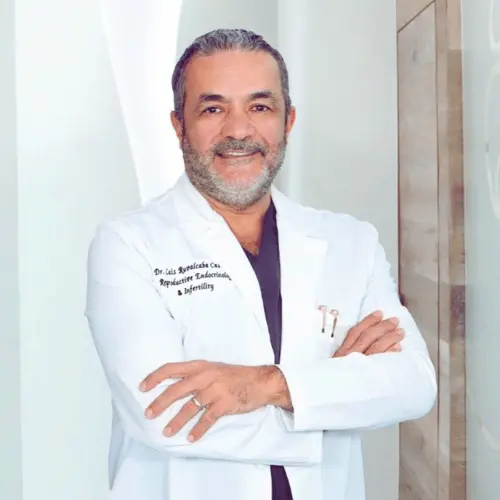
Main Line Fertility's physicians hold board certification from the American Board of Obstetrics and Gynecology with subspecialty designation in Reproductive Endocrinology and Infertility. The team takes a collaborative approach to patient management, with regular case conferences ensuring that complex situations receive multidisciplinary input. The nursing team at this location has extensive experience with injectible stimulation protocols, trigger timing, and post-retrieval care, and frequently earns individual recognition in patient reviews.
Services and Treatments
- In vitro fertilization (IVF) with ICSI
- Intrauterine insemination (IUI)
- Elective and medically indicated egg freezing
- Frozen embryo transfer cycles
- Preimplantation genetic testing (PGT-A, PGT-M, PGT-SR)
- Donor egg and donor sperm coordination
- Reciprocal IVF for same-sex couples
- Gestational carrier medical management
- Recurrent implantation failure evaluation
- Endocrine and hormonal workup for ovulatory dysfunction
Laboratory and Success Rates
The embryology laboratory at this location uses established vitrification protocols for oocyte and embryo cryopreservation, supporting both fresh and frozen transfer cycles. Blastocyst culture is standard practice, with biopsy capabilities for all major forms of preimplantation genetic testing. Laboratory quality is maintained under CLIA certification and meets SART reporting standards.
Patients should review the most current cycle-level data published by the CDC's ART Surveillance program and the SART Clinic Summary Report.
Patient Experience
The Old Lancaster Rd office is designed to feel welcoming and calm, which patients note is important during the emotional intensity of fertility treatment. Staff are praised for remembering individual patient details across visits, and the front-desk team is consistently described as professional and efficient in handling paperwork and insurance pre-authorization.
The clinic's explicit commitment to inclusive care is evident in the office environment, intake forms, and the language used during consultations. Same-sex couples, single patients using donor sperm, and transgender patients have noted that they did not need to educate the staff about their circumstances — a common frustration at less-specialized practices.
For patients with a history of prior failed IVF cycles, the clinic's physicians are known for conducting thorough reviews of previous protocols and medical records before proposing a revised treatment approach.
Considering At-Home Insemination?
Not every fertility journey begins in a clinic. At-home intracervical insemination (ICI) is a lower-cost, private option that suits patients with no known fertility diagnosis — including single parents by choice, same-sex couples, and people who want to try a few cycles before committing to clinical treatment.
At-home insemination kits like those from MakeAMom come with step-by-step instructions designed for donor or partner sperm. Kits are a one-time purchase that can be reused until conception succeeds, require no clinic visit, and arrive in plain, discreet packaging. Many patients use them as a first step while working toward a fertility consultation — or alongside ovulation tracking while they wait for an appointment slot.
If you have a known fertility diagnosis, have been trying for 12 months without success (six months if you're over 35), or your physician has already recommended IUI or IVF, a board-certified reproductive endocrinologist is the right next step.
Insurance and Financing
Pennsylvania's insurance mandate requires some HMO plans to offer fertility diagnosis and limited treatment coverage, but many employer-sponsored PPO and self-funded plans are exempt from state mandate requirements. Main Line Fertility's financial counselors can perform benefits verification and work with patients to understand what their specific plan covers. Self-pay packages may be available, and the practice can refer patients to third-party fertility financing programs for those who need extended payment options.
Frequently Asked Questions
How does Main Line Fertility approach patients with diminished ovarian reserve? Physicians at the practice individualize stimulation protocols based on antral follicle count and AMH levels. Patients with low reserve may be offered modified protocols or discussed for donor egg options depending on their goals and prior response history.
Is genetic carrier screening available before starting a cycle? Yes. The practice can coordinate expanded carrier screening as part of the pre-treatment workup, which is recommended before using donor gametes or for couples with known genetic risk factors.
What monitoring schedule should I expect during an IVF stimulation cycle? Typical monitoring involves vaginal ultrasound and blood draws every one to three days during ovarian stimulation, with the frequency increasing as the follicles approach trigger size. Early morning appointments are available to minimize impact on work schedules.
Does the clinic have a patient portal for test results? Patients should inquire at the time of registration about the clinic's current patient communication tools and portal access for reviewing lab results and messaging clinical staff.