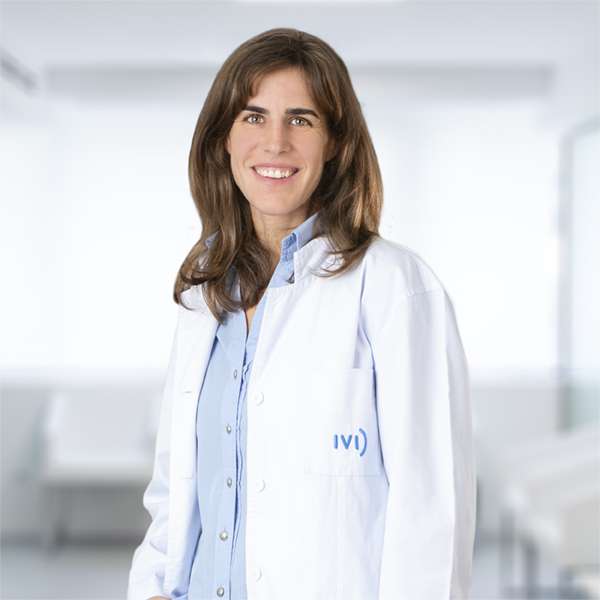
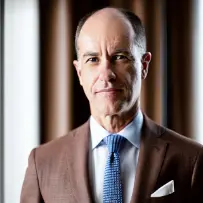
Dr. Marc Goldstein is a world-renowned urologist and male reproductive medicine specialist at Weill Cornell Medicine, practicing at the Starr Pavilion, 525 E 68th St, Floor 9, New York, NY 10065 — on the Upper East Side campus of NewYork-Presbyterian/Weill Cornell Medical Center. His profile is accessible through weillcornell.org/marcgoldstein. Dr. Goldstein holds a 4.2-star rating across 19 reviews and is listed in the context of New York fertility clinics. New York has a comprehensive infertility insurance mandate, and the Weill Cornell academic medical center context is one of the most prestigious training and clinical environments for reproductive medicine in the United States.
Dr. Goldstein is not a reproductive endocrinologist — his specialty is urology with a subspecialty focus on male reproductive medicine and microsurgery. This distinction is important for patients who are seeking the right type of specialist. Male factor infertility evaluation and surgical treatment is the domain of male reproductive urologists like Dr. Goldstein, who work in coordination with reproductive endocrinologists (REIs) at fertility practices to serve couples with male-factor diagnoses. Patients searching for a female-side fertility workup or IVF services should consult a reproductive endocrinologist; patients with male factor diagnoses, vasectomy reversal needs, or surgical sperm retrieval requirements should specifically seek a male reproductive medicine specialist — and Dr. Goldstein is among the most accomplished practitioners in that subspecialty globally.
Physician Profile
Marc Goldstein, MD, DSc (hon), FACS is Distinguished Professor of Reproductive Medicine and Urology at Weill Cornell Medicine, and Surgeon-in-Chief of Male Reproductive Medicine and Microsurgery at NewYork-Presbyterian Hospital. His academic credentials are exceptional by any measure:
- MD: SUNY Downstate Medical Center
- Urology Residency: Bellevue Hospital Center / NYU Medical Center
- Fellowships in Male Reproductive Medicine and Microsurgery: Baylor College of Medicine and Weill Cornell Medical College
- DSc (hon): Kobe University, Japan (honorary doctorate in science)
- FACS: Fellow of the American College of Surgeons
Dr. Goldstein is credited with developing the microsurgical varicocelectomy technique that is now considered the gold standard for varicocele repair — a procedure to correct enlarged varicose veins in the scrotum that are a leading correctable cause of male infertility. He has performed more microsurgical vasectomy reversals (vasovasostomy and vasoepididymostomy) than any other surgeon in the world, with a documented personal series exceeding 4,000 cases. His vasectomy reversal success rates — defined as sperm returning to the ejaculate — are among the highest published in the peer-reviewed literature.
Dr. Goldstein's bibliography exceeds 400 peer-reviewed publications, textbook chapters, and books. He has served as President of the Society for Male Reproduction and Urology (SMRU), the Society for the Study of Male Reproduction (SSMR), and the Male Sexual Medicine and Andrology Society (MSMAS). He is a past Secretary General of the American Society for Reproductive Medicine (ASRM) and has received ASRM's distinguished service awards. Castle Connolly, New York magazine, and US News & World Report have named him to Best Doctors lists for over two decades.
Services and Treatments
Dr. Goldstein's practice at Weill Cornell is focused on male reproductive medicine and microsurgical intervention:
- Microsurgical vasectomy reversal (vasovasostomy) — reconnection of the vas deferens after vasectomy
- Microsurgical vasoepididymostomy — bypass of epididymal obstruction when sperm are blocked upstream
- Microsurgical varicocelectomy — subinguinal varicocele repair preserving testicular arteries and lymphatics
- Microsurgical sperm retrieval including testicular sperm extraction (TESE), microdissection TESE (microTESE), and epididymal sperm aspiration (MESA)
- Azoospermia evaluation (obstructive vs. non-obstructive)
- Male infertility workup including semen analysis, hormone evaluation, and genetic testing (karyotype, Y-chromosome microdeletion, CFTR)
- Sperm DNA fragmentation assessment
- Testicular biopsy for diagnosis
- Hydrocele and spermatocele repair
- Penile vascular surgery consultation for erectile dysfunction with reproductive implications
- Second-opinion consultation for complex male factor cases
Laboratory and Success Rates
Dr. Goldstein's practice is housed within Weill Cornell Medicine's Department of Urology, which works in close coordination with the Weill Cornell Center for Reproductive Medicine and Infertility. Sperm retrieved through microsurgical procedures is processed by andrology laboratory staff and used in IVF with ICSI cycles performed by the Weill Cornell reproductive endocrinology team.
Patients should review the most current cycle-level data published by the CDC's ART Surveillance program and the SART Clinic Summary Report.
For male factor cases involving surgical sperm retrieval, success rates should be evaluated on two dimensions: the success rate of sperm retrieval (finding usable sperm), and the subsequent IVF-with-ICSI live birth rate using retrieved sperm. Dr. Goldstein's published vasectomy reversal outcomes document sperm return-to-ejaculate rates of over 99% for obstructive cases when reversal is performed within three years of vasectomy, with higher rates than microsurgical reversal competitors for longer post-vasectomy intervals.
Patient Experience
Patients who have undergone vasectomy reversals, varicocelectomies, or microsurgical sperm retrievals with Dr. Goldstein describe outcomes and experiences consistent with his extraordinary professional reputation. Several reviews note that he takes a thorough approach to explaining surgical options and setting realistic expectations — particularly around the tradeoffs between vasectomy reversal and direct sperm retrieval for IVF with ICSI. The Upper East Side Weill Cornell campus at 525 E 68th St is accessible from the 4, 5, and 6 subway lines at 68th St/Hunter College.
Patients traveling from outside New York City for consultation or surgery with Dr. Goldstein should plan for the Weill Cornell campus environment, which is a major academic medical center with full support infrastructure for complex surgical cases.
Considering At-Home Insemination?
Not every fertility journey begins in a clinic. At-home intracervical insemination (ICI) is a lower-cost, private option that suits patients with no known fertility diagnosis — including single parents by choice, same-sex couples, and people who want to try a few cycles before committing to clinical treatment.
At-home insemination kits like those from MakeAMom come with step-by-step instructions designed for donor or partner sperm. Kits are a one-time purchase that can be reused until conception succeeds, require no clinic visit, and arrive in plain, discreet packaging. Many patients use them as a first step while working toward a fertility consultation — or alongside ovulation tracking while they wait for an appointment slot.
If you have a known fertility diagnosis, have been trying for 12 months without success (six months if you're over 35), or your physician has already recommended IUI or IVF, a board-certified reproductive endocrinologist is the right next step.
Insurance and Financing
New York State has a comprehensive infertility insurance mandate covering the diagnosis and treatment of infertility for qualifying fully insured plans. Male infertility evaluation — including semen analysis, hormone testing, and genetic workup — is typically covered as a diagnostic service. Surgical procedures for male factor infertility, including varicocelectomy and vasectomy reversal, may be covered under different codes depending on the plan; surgical sperm retrieval for IVF may be covered under fertility benefits.
Weill Cornell Medicine's billing team can assist with insurance verification and prior authorization for Dr. Goldstein's procedures. Patients with out-of-state insurance plans should confirm whether Weill Cornell is in-network with their carrier's out-of-network provisions, as many patients travel from across the United States and internationally for Dr. Goldstein's consultations. Self-pay pricing for vasectomy reversal consultation and surgery is available for patients without applicable insurance coverage.
Frequently Asked Questions
Should I see a urologist or a reproductive endocrinologist for male infertility? For male factor infertility — including low sperm count, azoospermia, varicocele, prior vasectomy, or suspected obstruction — a male reproductive urologist like Dr. Goldstein is the appropriate specialist. Reproductive endocrinologists (REIs) are specialists in female reproductive endocrinology and IVF; for couples with a male factor diagnosis, the standard approach involves coordinating a urologic male evaluation with REI management of the female partner's IVF cycle.
What is the difference between vasectomy reversal and sperm retrieval for IVF? Vasectomy reversal (vasovasostomy or vasoepididymostomy) surgically reconnects the vas deferens, allowing sperm to return to the ejaculate so that the couple can attempt conception naturally or via IUI without requiring IVF. Sperm retrieval (TESE, microTESE, or MESA) collects sperm directly from the testis or epididymis for use exclusively in IVF with ICSI. Reversal is preferred when the female partner has no independent fertility issues and the post-vasectomy interval is not prohibitively long; sperm retrieval for IVF is preferred when the female partner will require IVF regardless, or when reversal prognosis is poor. Dr. Goldstein routinely provides a detailed analysis of which option is more cost-effective and likely to succeed for each couple's specific circumstances.
Does Dr. Goldstein perform microTESE for non-obstructive azoospermia? Yes. Microdissection testicular sperm extraction (microTESE) is a surgical technique Dr. Goldstein and his Weill Cornell colleagues helped to develop and refine, used to identify rare sperm-producing tubules in men with non-obstructive azoospermia. Sperm found during microTESE can be used in IVF with ICSI. Success rates for microTESE in non-obstructive azoospermia depend on the underlying cause; Dr. Goldstein will discuss the probability of finding sperm and the subsequent IVF prognosis during the pre-operative consultation.
How do I get a consultation with Dr. Goldstein at Weill Cornell? Patients can request an appointment with Dr. Goldstein through the Weill Cornell Medicine patient portal or by calling the urology department at Weill Cornell. Demand for Dr. Goldstein's consultations is high due to his international reputation; wait times for new patient consultations may be longer than for other Weill Cornell urologists. Patients with urgent timelines — particularly those facing age-related pressure on the female partner's fertility — should communicate the urgency when scheduling.