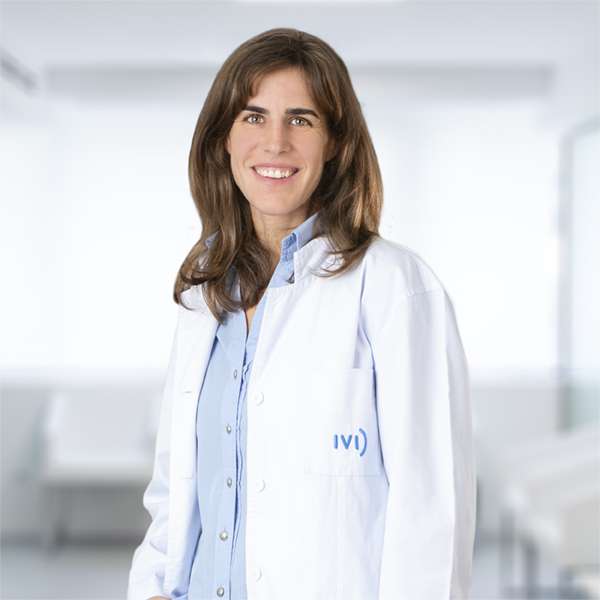

Seattle Reproductive Medicine (SRM) Kirkland is located at 12333 NE 130th Lane, Suite 220, in Kirkland, Washington — one of the primary Eastside suburban communities on the eastern shore of Lake Washington, directly across from Seattle. Kirkland sits within King County and is part of the densely populated suburban corridor that includes Bellevue, Redmond, Bothell, and Woodinville. The NE 130th Lane location is in a professional and medical office area near the Totem Lake and Canyon Park corridor, accessible from SR-522, I-405, and NE 124th Street. SRM Kirkland extends the Seattle Reproductive Medicine network to the Eastside, serving patients throughout Kirkland, Bellevue, Redmond, Sammamish, Issaquah, Woodinville, Bothell, and the greater Eastside region. For a broader view of fertility clinics in Washington, explore the state directory.
Physicians and Clinical Team
Seattle Reproductive Medicine is one of the Pacific Northwest's largest and most established fertility groups, with a clinical team of fellowship-trained reproductive endocrinologists and infertility (REI) specialists. The physicians hold board certification in both obstetrics and gynecology and reproductive endocrinology and infertility — the dual-board pathway required by the American Board of Obstetrics and Gynecology for REI subspecialists.
The PLLC (professional limited liability company) entity — NW Reproductive Medicine Associates, PLLC — is the legal structure through which the Kirkland practice operates under the SRM brand. This is a standard professional entity structure in Washington State for physician-owned specialty practices. Patients receive care under the SRM clinical team, which has a long history in the Seattle metropolitan area. The clinical staff at SRM Kirkland includes reproductive endocrinologists, registered nurses, ultrasonographers, embryologists, and patient care coordinators experienced in guiding patients through complex fertility treatment cycles.
Services and Treatments
SRM Kirkland provides a full spectrum of ART and fertility services:
- IVF (in vitro fertilization) with fresh and frozen embryo transfer
- IUI (intrauterine insemination)
- Egg freezing (oocyte cryopreservation) for elective fertility preservation and medical indications
- Preimplantation genetic testing — PGT-A (aneuploidy screening) and PGT-M (monogenic disorders)
- Frozen embryo transfer (FET) cycles
- Donor egg IVF using SRM's donor egg program or an outside donor
- Donor sperm IUI and IVF
- Gestational carrier (surrogacy) coordination
- Male infertility evaluation including semen analysis and referral for urology consultation
- Reproductive immunology evaluation for recurrent pregnancy loss
- Third-party reproduction legal and coordination support
- LGBTQ+ family building including reciprocal IVF, known donor IUI, and gestational carrier coordination
- Ovulation induction and monitored cycle management
- Fertility preservation consultation for oncology patients facing treatment
Laboratory and Success Rates
SRM operates its own certified embryology laboratory, which is a critical component of its IVF program. The embryology lab at SRM handles fertilization, embryo culture, biopsy for PGT, vitrification (rapid-freeze cryopreservation), and embryo thaw procedures. Laboratory quality control, including ongoing embryologist training and equipment calibration, is a core operational priority at a practice of SRM's scale.
Patients should review the most current cycle-level data published by the CDC's ART Surveillance program and the SART Clinic Summary Report.
Patient Experience
The Kirkland location serves the Eastside population without requiring patients to cross Lake Washington to Seattle — a significant convenience given the bridge traffic on I-90 and SR-520 that can make cross-lake travel time-consuming during peak hours. Patients on the Eastside — particularly in Redmond, Bellevue, Kirkland, Sammamish, and Bothell — are within a shorter drive of this SRM location than of the main Seattle-based SRM clinics.
Suite 220 in the NE 130th Lane building is in a professional medical office environment consistent with what patients expect of a specialty fertility practice. SRM as an organization has invested in patient-centered clinic design and care coordination, including dedicated patient navigators and robust online patient portals for cycle monitoring and communication.
SRM has developed a particularly strong reputation among LGBTQ+ patients in the Seattle area, offering comprehensive third-party reproduction services including reciprocal IVF (where one partner's eggs are fertilized and transferred to the other partner's uterus), same-sex male gestational carrier programs, and single-parent-by-choice pathways.
Considering At-Home Insemination?
Not every fertility journey begins in a clinic. At-home intracervical insemination (ICI) is a lower-cost, private option that suits patients with no known fertility diagnosis — including single parents by choice, same-sex couples, and people who want to try a few cycles before committing to clinical treatment.
At-home insemination kits like those from MakeAMom come with step-by-step instructions designed for donor or partner sperm. Kits are a one-time purchase that can be reused until conception succeeds, require no clinic visit, and arrive in plain, discreet packaging. Many patients use them as a first step while working toward a fertility consultation — or alongside ovulation tracking while they wait for an appointment slot.
If you have a known fertility diagnosis, have been trying for 12 months without success (six months if you're over 35), or your physician has already recommended IUI or IVF, a board-certified reproductive endocrinologist is the right next step.
Insurance and Financing
Washington State does not have a comprehensive IVF insurance mandate comparable to New York, New Jersey, or Illinois. Patients in Washington generally pay for IVF out of pocket unless their employer plan voluntarily covers fertility treatment. Some large employers in the Seattle tech sector (including many Eastside tech campuses) offer generous fertility benefits, so patients with employer plans from major regional technology or aerospace companies should review their benefits carefully.
SRM offers financing options and works with third-party fertility financing companies. Some patients explore multi-cycle discount programs or shared-risk programs available at larger fertility networks. Patients should inquire about bundled pricing, refund programs, and financing terms when scheduling their initial consultation.
Frequently Asked Questions
What is the difference between the SRM Kirkland location and SRM's main Seattle clinics? SRM Kirkland and the main SRM Seattle locations are all part of the Seattle Reproductive Medicine network and share physicians, clinical protocols, and embryology infrastructure. The Kirkland location offers Eastside patients a more convenient access point without cross-lake travel. Monitoring appointments, retrieval procedures, and transfers may occur at different SRM locations depending on scheduling and the patient's home address.
Does SRM Kirkland serve LGBTQ+ patients? Yes. SRM has developed comprehensive LGBTQ+-affirming fertility programs including reciprocal IVF, gestational carrier coordination, and known and anonymous donor pathways. The Kirkland location serves LGBTQ+ patients seeking family building services on the Eastside.
What is PGT-A and when is it recommended? Preimplantation genetic testing for aneuploidy (PGT-A) screens embryos for chromosomal abnormalities before transfer. It is often recommended for patients over 35, those with recurrent pregnancy loss, or those who have had prior failed IVF cycles. PGT-A can improve the probability of a successful transfer by identifying chromosomally normal embryos for priority transfer.
How do I start at SRM Kirkland if I have already done fertility treatment elsewhere? SRM Kirkland accepts patients transferring from other fertility practices. You will need to request a records release from your previous clinic, including prior cycle summaries, lab results, and any embryo status information. SRM's team will review your history and recommend next steps at an initial consultation.