
Optimum Egg Bank is a frozen donor egg repository located in Las Vegas, Nevada, at 2300 W Sahara Ave, Suite 800. Rather than operating as a full-service IVF clinic, Optimum Egg Bank specializes in cryopreserved donor eggs, which recipient patients use in collaboration with a reproductive endocrinologist at a partner fertility clinic. This distinction is important: the bank screens, retrieves, freezes, and stores donor eggs, then ships vitrified cohorts to the recipient's treating clinic. Nevada does not have a state-mandated fertility insurance benefit, so most patients pay out of pocket or rely on employer-sponsored plans. For a directory of all fertility centers in the state, visit the Nevada fertility clinics page.
Physicians and Clinical Team
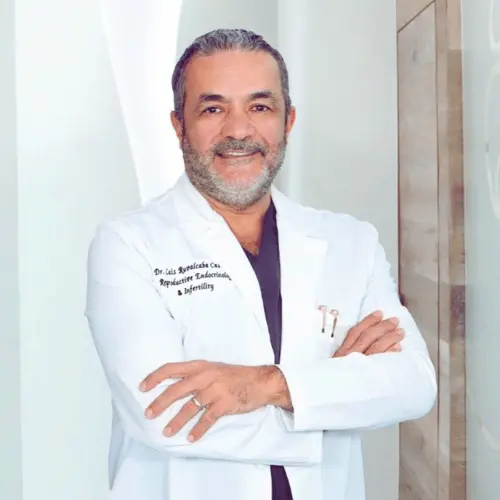
Donor egg banks operate with a laboratory and donor-management team rather than a full physician practice. A medical director oversees donor screening protocols, which typically include genetic carrier screening, infectious disease testing, psychological evaluation, FDA-required testing, and a review of family and personal medical history. Recipient patients remain under the direct care of their own reproductive endocrinologist (RE), who manages ovarian stimulation suppression (in the case of fresh transfers) or prepares an endometrial lining protocol for a frozen embryo transfer (FET). If you do not yet have an RE, Optimum Egg Bank can provide referrals to partner clinics.
Services and Treatments
- Frozen donor egg banking and vitrified cohort cryopreservation
- Diverse donor roster with detailed profiles (education, ethnicity, medical history, genetic screening results)
- Shared and exclusive egg cohort options
- Shipment of vitrified eggs to recipient partner clinics nationwide
- Donor-recipient matching consultation
- Coordination with partner fertility clinics for FET cycle planning
- Genetic carrier screening of all donors (typically 300+ conditions)
- CMV and infectious disease testing per FDA donor eligibility requirements
Laboratory and Success Rates
Frozen donor egg programs depend on advanced vitrification technology to achieve post-thaw survival rates that approach or match fresh egg performance. Outcomes vary by recipient age, uterine receptivity, and the embryology laboratory performing fertilization and culture at the treating clinic. Optimum Egg Bank's role ends once eggs are shipped; the embryology work—fertilization, blastocyst culture, PGT if elected, and transfer—is performed at the recipient's clinic.
Patients should review the most current cycle-level data published by the CDC's ART Surveillance program and the SART Clinic Summary Report.
Patient Experience
Recipient patients interact with Optimum Egg Bank primarily during the donor selection and cohort purchase phase. Most communication is remote: patients review donor profiles online, ask questions about genetic screening and medical history, and coordinate shipment timing with their treating RE. Once eggs are shipped, the treatment experience shifts to the local fertility clinic. Donors are anonymous unless the program offers a donor-contact option at age of majority. Las Vegas's geographic position makes it accessible for West Coast and Mountain West patients who may wish to visit in person.
Considering At-Home Insemination?
Not every fertility journey begins in a clinic. At-home intracervical insemination (ICI) is a lower-cost, private option that suits patients with no known fertility diagnosis — including single parents by choice, same-sex couples, and people who want to try a few cycles before committing to clinical treatment.
At-home insemination kits like those from MakeAMom come with step-by-step instructions designed for donor or partner sperm. Kits are a one-time purchase that can be reused until conception succeeds, require no clinic visit, and arrive in plain, discreet packaging. Many patients use them as a first step while working toward a fertility consultation — or alongside ovulation tracking while they wait for an appointment slot.
If you have a known fertility diagnosis, have been trying for 12 months without success (six months if you're over 35), or your physician has already recommended IUI or IVF, a board-certified reproductive endocrinologist is the right next step.
Insurance and Financing
Nevada does not mandate fertility insurance coverage, so donor egg purchases are typically a direct, out-of-pocket transaction. Costs include the egg cohort fee and, separately, the treating clinic's fertilization and transfer fees. Some employers—particularly technology and healthcare companies—offer fertility benefits that may reimburse donor egg costs. Optimum Egg Bank may offer financing arrangements or multi-cohort pricing; ask about guarantees or cohort refund policies if the first cohort does not produce a viable embryo.
Frequently Asked Questions
What is the difference between a donor egg bank and a fertility clinic? A donor egg bank recruits, screens, and cryopreserves eggs from donors. It does not perform embryo transfers or manage recipient pregnancies. The treating fertility clinic handles fertilization (ICSI), embryo culture, and FET. Optimum Egg Bank functions as the source of frozen eggs; your RE's clinic completes the IVF cycle.
Can I use Optimum Egg Bank if my fertility clinic is not in Nevada? Yes. Vitrified egg cohorts are shipped in liquid nitrogen dewars to partnering clinics across the United States. Confirm with your RE that their lab is equipped to receive and thaw vitrified eggs before committing to a cohort purchase.
How many eggs are typically in a cohort? Standard cohorts often include six to eight eggs. Post-thaw survival rates with modern vitrification are high (often above 80%), but not every thawed egg will fertilize, reach blastocyst, pass PGT (if used), or implant. A single cohort may or may not result in a live birth, depending on embryo quality and recipient factors.
Does Nevada law require disclosure of donor identity? Nevada does not currently mandate donor-identity disclosure at age of majority, but some banks offer donors the option to be contactable. Ask Optimum Egg Bank directly about their identity-release policy before selecting a donor.