Reproductive Health Centers Inc, located at 13768 Roswell Ave in Chino, California, serves patients throughout the western Inland Empire — including Chino, Chino Hills, Ontario, Montclair, Pomona, and the surrounding San Bernardino and Riverside County communities. The clinic provides subspecialty fertility care to a region that has historically had fewer dedicated reproductive medicine providers than the Los Angeles or Orange County markets, making it an important local resource for patients who prefer not to commute into denser urban areas. California fertility seekers can explore the full California fertility clinic directory.
Physicians and Clinical Team
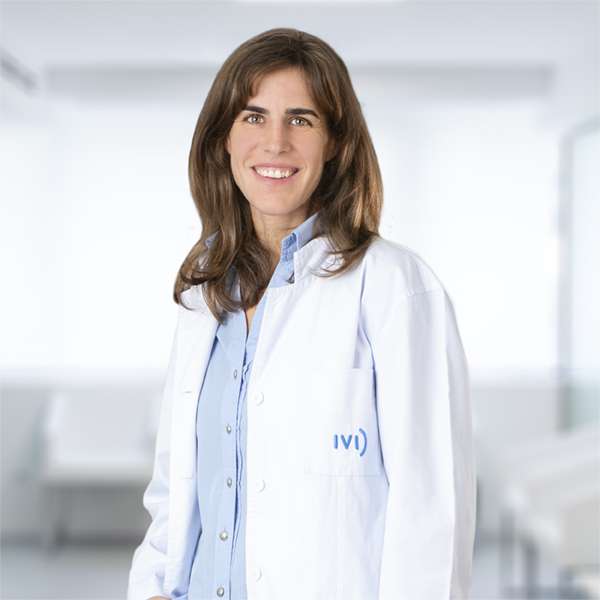
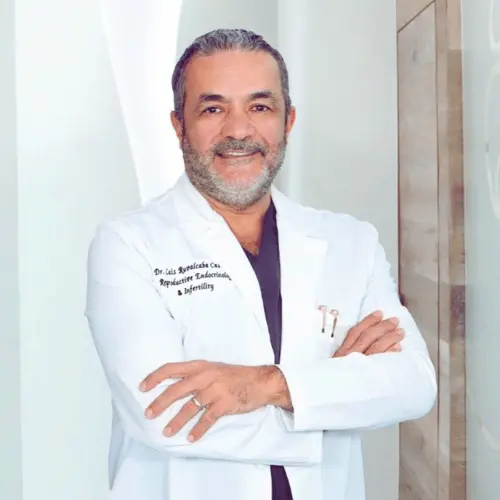
Reproductive Health Centers Inc is led by physicians with board certification or eligibility in reproductive endocrinology and infertility. REIs in California must hold a valid California Medical Board license, and those holding subspecialty board certification from ABOG have completed the full path: OB/GYN residency, three-year REI fellowship, and passage of both written and oral qualifying examinations. The REI subspecialty's scope encompasses the medical and surgical management of infertility, hormonal disorders affecting reproduction, and the clinical oversight of ART procedures including IVF.
The team also includes registered nurses experienced in fertility cycle management, ultrasound technicians trained in reproductive monitoring protocols, andrology and embryology laboratory staff, and administrative coordinators who assist patients with scheduling, financial navigation, and emotional support resources. In practices serving diverse communities like the Inland Empire — which has large Hispanic, Filipino, Chinese, and South Asian populations — cultural and linguistic competency is a meaningful dimension of the patient experience.
Services and Treatments
Reproductive Health Centers Inc offers a range of fertility services appropriate to the needs of the Inland Empire patient population, including:
- Fertility evaluation and diagnostic workup
- Ovulation induction with letrozole or clomiphene
- Injectable gonadotropin cycles with ultrasound monitoring
- Intrauterine insemination (IUI)
- In vitro fertilization (IVF)
- Intracytoplasmic sperm injection (ICSI)
- Embryo cryopreservation and frozen embryo transfer (FET)
- Egg freezing (oocyte cryopreservation)
- Donor sperm coordination
- Semen analysis and male-factor evaluation
- Endocrine disorder evaluation (PCOS, thyroid, prolactin)
- Recurrent pregnancy loss assessment
Laboratory and Success Rates
The embryology laboratory is the technical heart of any IVF program. Laboratories in California operate under both federal CLIA requirements and California state licensing oversight, and ASRM guidelines set the professional standard for culture conditions, embryo grading, cryopreservation, and safety protocols. Embryologists at reproductive medicine practices are typically trained in embryo culture, ICSI, biopsy for PGT, and vitrification — the rapid-freeze technique that has dramatically improved frozen embryo outcomes.
Patients should review the most current cycle-level data published by the CDC's ART Surveillance program and the SART Clinic Summary Report.
Patient Experience
The Roswell Ave location in Chino is situated in a commercial and medical district accessible from the 60 Freeway and SR-71 corridors, making it convenient for patients in western San Bernardino County and eastern Los Angeles County. The Inland Empire is one of California's fastest-growing regions, with a population that skews younger and more family-oriented than coastal California — characteristics that correspond with strong patient demand for fertility services. Many Inland Empire families are first- or second-generation immigrants for whom family building carries particular cultural and emotional significance.
For patients in the Chino area, having a local fertility specialist means avoiding the significant time and expense of commuting to clinics in Pasadena, Los Angeles, or Irvine. Drive times from Rancho Cucamonga, Fontana, Upland, or Claremont to the Chino clinic are substantially less than the 45-90 minutes that trips into LA or OC can involve during peak traffic. This logistical advantage is meaningful for patients who must attend multiple monitoring appointments during an IUI or IVF cycle.
Considering At-Home Insemination?
Not every fertility journey begins in a clinic. At-home intracervical insemination (ICI) is a lower-cost, private option that suits patients with no known fertility diagnosis — including single parents by choice, same-sex couples, and people who want to try a few cycles before committing to clinical treatment.
At-home insemination kits like those from MakeAMom come with step-by-step instructions designed for donor or partner sperm. Kits are a one-time purchase that can be reused until conception succeeds, require no clinic visit, and arrive in plain, discreet packaging. Many patients use them as a first step while working toward a fertility consultation — or alongside ovulation tracking while they wait for an appointment slot.
If you have a known fertility diagnosis, have been trying for 12 months without success (six months if you're over 35), or your physician has already recommended IUI or IVF, a board-certified reproductive endocrinologist is the right next step.
Insurance and Financing
California does not have a state-mandated infertility insurance benefit, which means that fertility treatment coverage depends entirely on the employer's group health plan and the insurer's specific policy terms. While some California-based employers — particularly in technology, entertainment, and healthcare — have adopted robust fertility benefits as part of competitive compensation packages, many patients in the Inland Empire work for employers that offer more limited coverage.
Out-of-pocket IVF costs in California typically range from $12,000–$18,000 for a fresh retrieval cycle, with medication costs of $3,000–$6,000 additional. California has a large fertility industry, and many clinics offer multi-cycle packages or shared-risk programs that bundle costs and provide partial refunds if live birth is not achieved. Third-party healthcare financing through lenders such as CapexMD is widely used. Patients should ask about bundled pricing and whether the clinic has a relationship with any pharmaceutical assistance programs that can reduce medication costs for qualifying patients.
Frequently Asked Questions
Does the clinic serve patients in both San Bernardino and Los Angeles counties? Yes. The Roswell Ave location in Chino is close to the border of San Bernardino and Los Angeles counties and is accessible from communities in both counties. Patients from Pomona, Diamond Bar, La Verne, San Dimas, and Walnut are all within a reasonable drive.
Is IVF always necessary, or is IUI often recommended first? IUI is often the appropriate first-line treatment for patients with unexplained infertility, mild male-factor issues, or ovulatory dysfunction — particularly for those under 38 with normal ovarian reserve and open fallopian tubes. IUI is significantly less expensive than IVF and can be effective when the indication is right. For patients with tubal blockage, severe male factor, diminished ovarian reserve, or advanced age, IVF is typically recommended more quickly. Your physician will review your full workup before making a recommendation. For a deeper overview of IVF, visit our IVF guide.
How many monitoring visits are required during an IVF cycle? A typical IVF stimulation phase requires 4–6 monitoring visits over 10–14 days for bloodwork (estrogen, LH, progesterone) and transvaginal ultrasound to track follicular development. Scheduling these visits — which often require morning appointments — is a practical consideration that patients should plan for in advance, particularly if their employer requires advance notice for medical appointments.
What is AMH and why does it matter? Anti-Müllerian hormone (AMH) is produced by small follicles in the ovaries and serves as a reliable marker of ovarian reserve — i.e., the quantity of eggs remaining. A low AMH does not make pregnancy impossible, but it does affect the expected response to stimulation medications and informs the physician's choice of protocol and dosage. AMH testing is typically part of the initial fertility evaluation.