
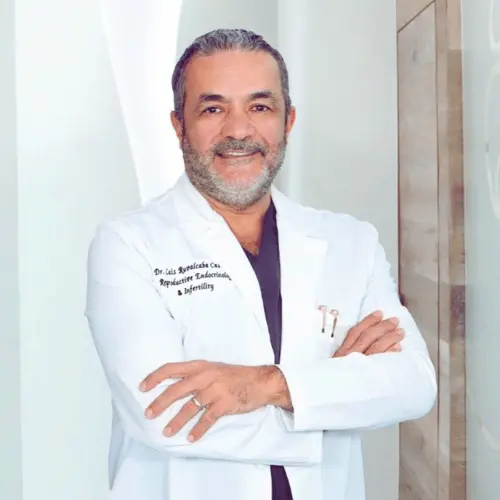
Reproductive Medicine Associates of Michigan (RMAMI) is a highly regarded fertility practice located at 130 Town Center Drive, Suite 106, in Troy, Michigan, a suburb of Detroit in the heart of Oakland County. Affiliated with the national Reproductive Medicine Associates network, RMAMI brings the research infrastructure, protocol standards, and quality benchmarks of a major academic-connected group to Southeast Michigan patients. With a 4.5-star rating from nearly 270 reviewers, RMAMI is one of the more highly rated fertility practices in the metro Detroit area, and its LGBTQ+-affirming policies have made it a destination for same-sex couples and LGBTQ+ individuals across the region. For patients comparing options statewide, see our guide to fertility clinics in Michigan.
Physicians and Clinical Team
RMAMI's physicians are board-certified reproductive endocrinologists with fellowship training from accredited REI programs. The practice benefits from its affiliation with Reproductive Medicine Associates, a network with strong academic ties and an active clinical research program, including published work on preimplantation genetic testing outcomes, embryo culture optimization, and LGBTQ+ fertility outcomes. The Troy physicians hold board certification in REI through ABOG and contribute to the network's collaborative research efforts. Supporting the medical team are specialized reproductive nurses who manage cycle coordination, a dedicated embryology team, and patient coordinators with experience in both insurance navigation and LGBTQ+ family-building logistics.
Services and Treatments
- IVF and frozen embryo transfer
- Intrauterine insemination (IUI)
- Egg freezing (elective and oncofertility)
- Embryo banking and cryopreservation
- Preimplantation genetic testing (PGT-A, PGT-M, PGT-SR)
- Donor egg IVF
- Donor sperm services
- Reciprocal IVF for same-sex female couples
- LGBTQ+ family building (comprehensive)
- Gestational surrogacy coordination
- Male factor evaluation and management
- ICSI (intracytoplasmic sperm injection)
- Recurrent pregnancy loss evaluation
- Fertility preservation for medical reasons
Laboratory and Success Rates
RMAMI operates an on-site embryology laboratory in Troy staffed by the practice's embryologists, following the quality standards and protocols established across the RMA network. The laboratory uses vitrification for all cryopreservation and employs extended blastocyst culture and PGT biopsy capabilities. The RMA network has been active in clinical research on single embryo transfer optimization, PGT-A effectiveness, and embryo selection criteria. RMAMI participates in SART and CDC reporting, providing independently audited outcome data comparable to other major Michigan programs. Patients should review the most current cycle-level data published by the CDC's ART Surveillance program and the SART Clinic Summary Report.
Patient Experience
Troy's Town Center Drive address is in one of metro Detroit's most convenient suburban locations, near the intersection of I-75 and Big Beaver Road. Patients from Sterling Heights, Rochester Hills, Birmingham, Royal Oak, and the broader Oakland County area find the location accessible without the Detroit downtown traffic. For patients traveling from the Macomb County side or from Washtenaw County, the I-75 corridor makes the trip manageable. Parking at the medical office building is ample, which reduces stress on early monitoring appointment mornings.
RMAMI's LGBTQ+ program is a key differentiator for Southeast Michigan patients. The practice has extensive experience with reciprocal IVF, donor sperm programs for same-sex female couples and single individuals, gestational surrogacy case management for same-sex male couples, and fertility preservation for transgender patients at any stage of gender-affirming care. Staff are knowledgeable about Michigan's legal landscape for parental rights and can provide referrals to reproductive attorneys in the state.
Considering At-Home Insemination?
Not every fertility journey begins in a clinic. At-home intracervical insemination (ICI) is a lower-cost, private option that suits patients with no known fertility diagnosis — including single parents by choice, same-sex couples, and people who want to try a few cycles before committing to clinical treatment.
At-home insemination kits like those from MakeAMom come with step-by-step instructions designed for donor or partner sperm. Kits are a one-time purchase that can be reused until conception succeeds, require no clinic visit, and arrive in plain, discreet packaging. Many patients use them as a first step while working toward a fertility consultation — or alongside ovulation tracking while they wait for an appointment slot.
If you have a known fertility diagnosis, have been trying for 12 months without success (six months if you're over 35), or your physician has already recommended IUI or IVF, a board-certified reproductive endocrinologist is the right next step.
Insurance and Financing
Michigan does not mandate insurance coverage for IVF, so coverage depends on individual employer plan terms. Detroit's major automotive employers — Ford, General Motors, Stellantis — as well as major healthcare systems and technology companies in the region, have increasingly added fertility benefits in recent years. Union members should check their collective bargaining agreement for fertility benefit details, as some UAW and other union healthcare plans include IVF coverage. RMAMI's financial coordinators are experienced with a wide range of Michigan employer benefits structures and can assist with prior authorization and appeal processes. For self-pay patients, financing is available through third-party lenders, and the RMA network's research affiliation sometimes creates access to clinical trial participation opportunities that can reduce or offset costs.
Frequently Asked Questions
What sets RMAMI apart from other Michigan fertility practices? RMAMI benefits from its affiliation with the RMA network, which brings academic research depth, protocol refinement based on large-scale outcome data, and strong clinical standards. The practice's explicit LGBTQ+ inclusion program is among the most comprehensive in Southeast Michigan, and the combination of network resources with a community-based patient experience has earned the practice consistent high reviews.
How does RMAMI support transgender patients seeking fertility preservation? The practice offers fertility preservation consultations for transgender patients at any stage of their gender-affirming care journey. For transgender women (assigned male at birth), this typically means sperm banking before beginning hormone therapy. For transgender men (assigned female at birth), options include egg freezing or embryo banking. The team works collaboratively with gender-affirming care providers and can coordinate care across disciplines.
What is RMAMI's approach to single embryo transfer? RMAMI follows ASRM guidelines, which generally recommend single embryo transfer (SET) for patients with chromosomally normal (euploid) embryos, as SET with a normal embryo has high success rates while virtually eliminating the risks associated with multiple gestation. Your physician will discuss the evidence and help you weigh the relevant factors for your specific situation.
What is the contact for RMAMI Troy? Call (248) 619-3100 or visit rmami.com to request a consultation. New patient appointments are typically available within a few weeks, and telehealth options may be available for an initial consultation if you are unable to travel to Troy immediately.