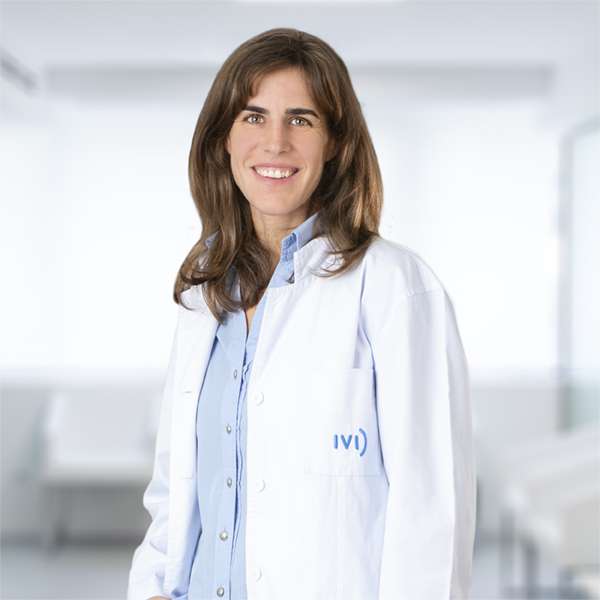
Shady Grove Fertility North Carolina, located at 6730 McCrimmon Pkwy in Cary, North Carolina, is the Research Triangle location of Shady Grove Fertility — one of the largest and most recognized fertility networks in the United States. The McCrimmon Pkwy address in Cary places the clinic strategically between Raleigh, Chapel Hill, and Durham, allowing it to draw patients from throughout the Triangle region without requiring them to navigate the congestion of downtown Raleigh or the Duke/UNC medical district. Patients researching additional North Carolina fertility providers can visit the North Carolina fertility clinic directory.
Physicians and Clinical Team
Shady Grove Fertility has built its national reputation in part by recruiting high-caliber, fellowship-trained reproductive endocrinologists and investing in shared clinical protocols, laboratory standards, and quality assurance programs across its network. The North Carolina physicians hold board certification in reproductive endocrinology and infertility from ABOG and have completed three-year fellowship training after OB/GYN residency. Shady Grove's national scale means that its clinical protocols are subject to continuous refinement based on network-wide outcomes data — a benefit of size that standalone practices cannot replicate.
The clinical team supporting the Cary location includes IVF nurses who coordinate stimulation protocols and monitoring schedules, ultrasonographers experienced in reproductive assessment, embryologists who manage the in vitro phase of care, genetic counselors available for PGT consultations, and dedicated patient care coordinators. Shady Grove's patient services infrastructure includes online portal access, patient education resources, and a financial counseling team experienced in navigating insurance coverage — or the lack thereof — for fertility treatment.
Services and Treatments
As a full-service Shady Grove Fertility location, the Cary clinic offers the complete range of reproductive medicine services, including:
- Initial fertility consultation and comprehensive diagnostic evaluation
- Ovarian reserve testing and semen analysis
- Ovulation induction with oral and injectable medications
- Intrauterine insemination (IUI)
- In vitro fertilization (IVF) — learn more at our IVF guide
- Intracytoplasmic sperm injection (ICSI)
- Preimplantation genetic testing for aneuploidy (PGT-A) and hereditary disease (PGT-M)
- Frozen embryo transfer (FET)
- Egg freezing (oocyte cryopreservation)
- Donor egg and donor sperm programs
- Gestational carrier support
- Oncofertility consultation for patients facing cancer treatment
- Recurrent pregnancy loss and recurrent implantation failure workup
- Male-factor evaluation and urologic referral
Laboratory and Success Rates
Shady Grove Fertility has invested significantly in laboratory standardization across its network, and the Cary location benefits from these shared quality systems. The embryology lab uses time-lapse embryo imaging, optimized culture media, and vitrification protocols that are continuously refined based on network-wide outcome data. Shady Grove's commitment to elective single embryo transfer (eSET) is consistent with ASRM guidelines and reflects its evidence-based approach to minimizing multiple pregnancy risk.
Patients should review the most current cycle-level data published by the CDC's ART Surveillance program and the SART Clinic Summary Report.
Patient Experience
The McCrimmon Pkwy location in Cary is situated in the western part of the Triangle — close to the Research Triangle Park, RTP's biotech and pharmaceutical campuses, and the rapidly growing mixed-use Morrisville corridor. The Research Triangle is one of the most educated and medically sophisticated metropolitan areas in the southeastern United States, driven by the presence of NC State, UNC Chapel Hill, and Duke University. Patients in this region are often high-information consumers of healthcare, and Shady Grove's evidence-based brand positioning aligns well with the expectation for rigorous, data-driven care.
Cary itself has grown dramatically over the past two decades and now hosts a large and diverse population that includes transplants from across the country and internationally. The Indian American community, in particular, is large and well-established in the Triangle — and many patients from this community seek fertility care that is sensitive to their specific medical and cultural contexts. The presence of a large, nationally recognized clinic in this suburban location makes high-quality fertility care accessible without requiring a trip into downtown Raleigh or Durham.
Considering At-Home Insemination?
Not every fertility journey begins in a clinic. At-home intracervical insemination (ICI) is a lower-cost, private option that suits patients with no known fertility diagnosis — including single parents by choice, same-sex couples, and people who want to try a few cycles before committing to clinical treatment.
At-home insemination kits like those from MakeAMom come with step-by-step instructions designed for donor or partner sperm. Kits are a one-time purchase that can be reused until conception succeeds, require no clinic visit, and arrive in plain, discreet packaging. Many patients use them as a first step while working toward a fertility consultation — or alongside ovulation tracking while they wait for an appointment slot.
If you have a known fertility diagnosis, have been trying for 12 months without success (six months if you're over 35), or your physician has already recommended IUI or IVF, a board-certified reproductive endocrinologist is the right next step.
Insurance and Financing
North Carolina does not have a state-mandated infertility insurance benefit, which means the cost of fertility treatment falls primarily on the patient unless their employer's plan includes voluntary fertility coverage. The Research Triangle's large technology, biotech, and pharmaceutical employer base means that employer-sponsored fertility benefits are more common here than in many other parts of North Carolina — but coverage is still far from universal.
Shady Grove Fertility has one of the most sophisticated financial programs in the fertility industry. The network's Shared Risk Program (where available) allows patients to pay a flat fee for multiple IVF cycles and receive a significant refund if they do not achieve a live birth, converting the financial uncertainty of IVF into a more predictable commitment. Shady Grove also offers in-house financing and works with third-party lenders. Its scale gives it negotiating leverage with pharmaceutical companies, which can sometimes translate to lower medication costs for patients. The financial counseling team can conduct a thorough insurance benefits analysis and provide a detailed cost estimate before treatment begins.
Frequently Asked Questions
What is Shady Grove Fertility's Shared Risk Program? Shady Grove's Shared Risk Program is a multi-cycle package that allows qualifying patients to pay a fixed fee for up to six IVF egg retrievals and unlimited frozen embryo transfers. If no live birth results, a significant percentage of the fee is refunded. Not all patients qualify — eligibility is based on age, ovarian reserve, and other diagnostic factors — but for those who do, it offers meaningful financial protection against the cost of an unsuccessful treatment journey.
How do I know if IUI or IVF is the right starting point? The physician will recommend a treatment approach based on the full diagnostic picture: age, ovarian reserve, sperm parameters, tubal status, and how long you've been trying. For many patients, IUI is the appropriate and cost-effective first step. For others — particularly those with tubal blockage, severe male factor, or diminished ovarian reserve — IVF is recommended from the outset to avoid delay. Age is a critical factor: for women over 38, proceeding more quickly to IVF is generally recommended.
Does the clinic serve LGBTQ+ patients? Yes. Shady Grove Fertility explicitly serves LGBTQ+ patients and offers dedicated programs for same-sex female and male couples, single parents by choice, and transgender and non-binary individuals. The Triangle region has a large and active LGBTQ+ community, and Shady Grove's national network has developed LGBTQ+-specific resources and patient support programs.
Can I do monitoring locally if I live far from Cary? For patients who live at a significant distance from the Cary location, Shady Grove can often arrange local monitoring with a partner OB/GYN or fertility clinic, with key procedures performed at the Cary site. The network's size facilitates these arrangements more readily than smaller single-site practices.