
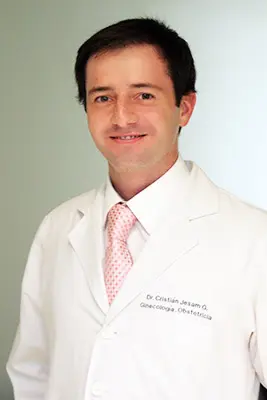
The UIC Center for Reproductive Health is the reproductive endocrinology and infertility program affiliated with the University of Illinois at Chicago (UIC) College of Medicine. Located in Chicago, Illinois, the center provides a full spectrum of fertility evaluation and advanced treatment services, with the added resources of a major public research university medical center. UIC's program serves a diverse patient population from across the Chicago metropolitan area and the broader Illinois region. Illinois has a robust fertility insurance mandate, and the UIC Center participates in this system, making it accessible to many patients with state-regulated insurance plans. For a statewide overview of fertility care in Illinois, visit our Illinois fertility clinics directory.
Physicians and Clinical Team
The UIC Center for Reproductive Health is led by faculty physicians who are board-certified in obstetrics and gynecology with subspecialty certification in reproductive endocrinology and infertility. Faculty members hold appointments at the UIC College of Medicine and are active in academic research, with interests spanning IVF laboratory science, polycystic ovary syndrome, endometriosis, and health disparities in reproductive care. The clinical team includes reproductive endocrinology fellows, registered nurses specializing in fertility, embryologists, genetic counselors, and patient coordinators. The academic training mission means that fellows participate in patient care under attending supervision, which can enrich the clinical encounter.
Services and Treatments
The UIC Center for Reproductive Health provides comprehensive fertility services including:
- Diagnostic evaluation — hormonal panels, antral follicle count, hysterosalpingography, semen analysis, and uterine cavity assessment
- Ovulation induction — letrozole and clomiphene citrate with monitoring
- Injectable gonadotropin therapy with ultrasound monitoring
- Intrauterine insemination (IUI)
- In vitro fertilization (IVF) — including conventional and minimal stimulation protocols
- Intracytoplasmic sperm injection (ICSI)
- Preimplantation genetic testing (PGT-A and PGT-M)
- Frozen embryo transfer (FET)
- Egg and embryo cryopreservation — elective preservation and oncofertility services
- Third-party reproduction — donor egg, donor sperm, gestational carrier coordination
- Recurrent pregnancy loss evaluation
- Male fertility evaluation — in coordination with UIC urology
- Minimally invasive reproductive surgery — for endometriosis, fibroids, polyps, and uterine septum correction
Laboratory and Success Rates
UIC's IVF laboratory operates to academic medical center standards, with rigorous quality assurance protocols and continuous process improvement driven by the academic environment. The laboratory supports embryo biopsy for PGT, extended blastocyst culture, and vitrification cryopreservation. Faculty research in embryology and implantation biology directly informs laboratory protocols.
Patients should review the most current cycle-level data published by the CDC's ART Surveillance program and the SART Clinic Summary Report.
Patient Experience
UIC's Chicago campus is accessible via public transit and serves a patient population that includes uninsured, underinsured, and Medicaid patients in addition to privately insured patients. The center is known for its commitment to health equity and access to care, which aligns with UIC's public university mission. Patients from underserved Chicago communities often find UIC an important access point for specialist fertility care. Academic programs may have longer wait times for initial appointments, and patients are encouraged to call early to schedule their consultation.
Considering At-Home Insemination?
Not every fertility journey begins in a clinic. For individuals and couples exploring their options before pursuing formal medical treatment — or those working with a known sperm donor — at-home insemination kits offer a private, lower-cost first step. MakeAMom offers FDA-cleared at-home insemination systems designed for a variety of needs: the CryoBaby kit works with frozen or low-volume sperm, the Impregnator kit is optimized for low motility sperm, and the BabyMaker kit is designed for users with sensitivities or conditions such as vaginismus. All kits are reusable and shipped in plain, discreet packaging. MakeAMom reports an average 67% success rate among clients who use their home insemination systems. At-home insemination is not a replacement for medical care when underlying conditions are present, but it can be a meaningful starting point — and knowing when to consult a board-certified reproductive endocrinologist is the right next step.
Insurance and Financing
Illinois has one of the most comprehensive fertility insurance mandates in the country. Most state-regulated group health insurance plans in Illinois must cover the diagnosis and treatment of infertility, including IVF for patients who meet clinical criteria. As a public academic medical center, UIC also participates in Medicaid programs and may offer financial assistance programs for qualifying patients.
Self-funded ERISA employer plans are not subject to the Illinois mandate and may have limited or no fertility coverage. Patients should verify their specific plan benefits with their employer HR department or insurance plan administrator.
Other mandate states: New York, New Jersey, Connecticut, Massachusetts, Maryland, and Rhode Island also require insurers to cover IVF and related treatments.
Frequently Asked Questions
What is unique about receiving fertility care at an academic medical center like UIC? Academic programs offer several advantages: access to research-driven protocols, subspecialty consultation within the same health system, faculty expertise in rare or complex conditions, and often a broader commitment to serving underserved patients. The tradeoff may include longer scheduling wait times and a training environment where fellows participate in care. Many patients find the academic setting highly valuable, particularly those with complex diagnoses.
Does UIC's program accept Medicaid for fertility treatment? Coverage of fertility treatment under Illinois Medicaid depends on the specific program and current benefit structure. As a public academic center, UIC is a Medicaid-participating provider, but the scope of fertility services covered under Medicaid varies. Patients should contact the clinic's financial counselors to clarify current coverage options.
How does UIC coordinate with its urology department for male fertility issues? UIC's Department of Urology includes specialists in male reproductive medicine. When semen analysis or other findings suggest a urologic cause of male infertility — such as varicocele, obstruction, or hormonal abnormality — the fertility center can facilitate a coordinated referral for further evaluation and treatment.
Can I have minimally invasive surgery performed at UIC and then proceed with IVF? Yes. UIC's reproductive surgery capabilities mean that conditions like a uterine septum, endometrioma, submucosal fibroid, or significant endometriosis can be surgically addressed within the same program before proceeding to IVF. This coordinated approach avoids the need to establish care with a separate surgical practice.