University Fertility Center is located at 23550 Hawthorne Boulevard, Suite 210, in Torrance, California — in the heart of the South Bay area of Los Angeles County. Serving patients from Torrance, Redondo Beach, Hermosa Beach, Manhattan Beach, El Segundo, Carson, and surrounding communities, University Fertility Center offers reproductive endocrinology services to one of the greater Los Angeles metropolitan area's most densely populated suburban regions. Patients throughout California can browse additional fertility care options in the California fertility clinics directory.
The South Bay corridor has grown as a residential and professional hub in Los Angeles County, and dedicated fertility subspecialty care within the region — rather than requiring the Westside or downtown commute — is a practical benefit for the area's patients. University Fertility Center's Hawthorne Boulevard location is accessible from the 405 Freeway (Hawthorne Blvd exit) and serves a patient population that includes aerospace, defense, healthcare, and technology industry employees common in the South Bay's economic landscape.
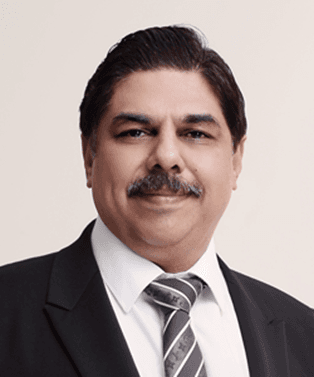
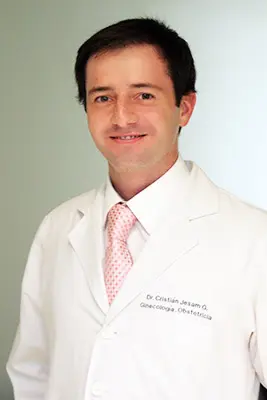
Physicians and Clinical Team
University Fertility Center is staffed by a reproductive endocrinologist with subspecialty training in infertility diagnosis and treatment. The practice's name suggests academic affiliation or physician training at a university medical program, though patients should verify current physician credentials and affiliations directly with the clinic.
The clinical team supporting fertility treatment includes nursing staff trained in fertility cycle coordination, embryologists responsible for the IVF laboratory, ultrasound technicians, and patient care coordinators who manage scheduling and logistics. A fertility center of this size in a South Bay location serves a manageable patient volume that allows for attentive, personalized care relationships.
Prospective patients should ask about the physician's fellowship training, board certification in REI, and experience with their specific fertility diagnosis or demographic during the initial consultation.
Services and Treatments
University Fertility Center provides core fertility services appropriate for the South Bay patient population:
- Initial fertility consultation and workup
- Ovarian reserve assessment (AMH, FSH, antral follicle count)
- Semen analysis and male fertility evaluation
- Ovulation induction (oral agents and injectable gonadotropins)
- Intrauterine insemination (IUI)
- In vitro fertilization (IVF)
- Intracytoplasmic sperm injection (ICSI)
- Preimplantation genetic testing (PGT-A)
- Frozen embryo transfer (FET)
- Embryo and egg cryopreservation
- Fertility preservation for elective and medical indications
- Recurrent pregnancy loss evaluation
- Uterine cavity evaluation (saline infusion sonography, hysteroscopy)
The South Bay's demographic profile — including a significant Korean American community in Torrance and Gardena, a large aerospace workforce, and a growing young professional population — informs the types of fertility concerns and family-building priorities common at this location. Multilingual patient communication may be available; ask about language accommodation when scheduling.
Laboratory and Success Rates
University Fertility Center operates an on-site IVF laboratory supporting fertilization, embryo culture, and cryopreservation. The laboratory's culture environment, vitrification protocol, and embryologist experience are the key technical determinants of IVF success outcomes.
Patients should review the most current cycle-level data published by the CDC's ART Surveillance program and the SART Clinic Summary Report.
The Los Angeles fertility market is competitive, and comparing University Fertility Center's published SART outcomes against regional benchmarks gives prospective patients a meaningful data point for their decision-making. Smaller cycle volume at community-based practices means published success rates carry wider statistical confidence intervals — ask the clinic about their annual cycle volume and what the numbers represent.
Patient Experience
The Hawthorne Boulevard location in Torrance's Galleria-adjacent commercial district provides easy freeway access from the 405 and convenient parking. The South Bay's relatively flat, walkable suburban geography makes clinical visits less stressful than navigating parking in denser Los Angeles neighborhoods.
The practice's boutique-scale presence in the South Bay means patients are more likely to interact consistently with the same physician and nursing team across their treatment — a factor that many patients in fertility treatment find emotionally significant. The continuity of care possible in a smaller practice is one of its primary advantages over large multi-site networks where patient-physician relationships can be more transactional.
The South Bay's proximity to LAX also makes it accessible for patients who travel for work and who may need flexible scheduling around travel constraints during an active cycle. Ask about the clinic's approach to managing monitoring and timing for patients with irregular schedules.
Considering At-Home Insemination?
Not every fertility journey begins in a clinic. At-home intracervical insemination (ICI) is a lower-cost, private option that suits patients with no known fertility diagnosis — including single parents by choice, same-sex couples, and people who want to try a few cycles before committing to clinical treatment.
At-home insemination kits like those from MakeAMom come with step-by-step instructions designed for donor or partner sperm. Kits are a one-time purchase that can be reused until conception succeeds, require no clinic visit, and arrive in plain, discreet packaging. Many patients use them as a first step while working toward a fertility consultation — or alongside ovulation tracking while they wait for an appointment slot.
If you have a known fertility diagnosis, have been trying for 12 months without success (six months if you're over 35), or your physician has already recommended IUI or IVF, a board-certified reproductive endocrinologist is the right next step.
Insurance and Financing
California does not mandate IVF insurance coverage for private employers. Most South Bay patients are self-pay or rely on voluntary employer fertility benefits. Aerospace and defense employers — prominent in the South Bay's economy (Boeing, Northrop Grumman, SpaceX, Raytheon) — vary in their fertility benefit offerings; check your plan.
Korean American patients with South Korean insurance or reinsurance plans (less common but not rare in the Torrance area's significant Korean American community) should consult directly with both their insurer and the clinic about international insurance applicability in the U.S. healthcare context.
For self-pay patients, University Fertility Center can provide cost estimates for IVF and IUI cycles. Third-party healthcare financing is a common option for patients managing the full out-of-pocket cost of IVF in California's high cost-of-living market. Medication costs ($3,000–$6,000 for a stimulation cycle) are a significant add-on to clinic fees.
Frequently Asked Questions
Does "University Fertility Center" mean the clinic is affiliated with a university? Not necessarily — the name may reflect the physician's training history at a university medical center rather than a current institutional affiliation. Patients should ask directly whether the practice has a formal university or academic hospital affiliation, and verify the physician's fellowship training and board certification credentials during their consultation.
Is the South Bay area well-served by fertility clinics, or should I consider clinics on the Westside or in Los Angeles proper? The South Bay has become better served by fertility practices in recent years. For straightforward cases — IUI, basic IVF — a South Bay clinic offers the practical advantage of proximity and less commute burden. For patients who need highly specialized services (complex donor programs, reproductive surgery, oncofertility at a major academic center), considering clinics at UCLA, Cedars-Sinai, or USC in addition to South Bay options may be worthwhile.
What is the difference between seeing a reproductive endocrinologist and a general OB-GYN for fertility concerns? OB-GYNs can evaluate and initiate treatment for common fertility concerns, including ovulation induction with oral medications and sometimes IUI. Reproductive endocrinologists (REIs) are fellowship-trained subspecialists with expertise in complex fertility diagnosis and the full range of ART, including IVF, ICSI, PGT, and donor egg cycles. University Fertility Center is a dedicated REI practice, appropriate for patients who have already been evaluated by an OB-GYN or who need the full scope of ART services.
Can I bank embryos at University Fertility Center for future use? Yes. Embryo banking — retrieving and freezing embryos across multiple IVF cycles before doing a transfer — is a strategy some patients use to accumulate enough embryos for genetic testing or to have multiple transfer attempts from a single stimulation period. Discuss with your physician whether embryo banking makes sense for your situation, particularly if you are planning genetic testing or have diminished ovarian reserve.